
Why Branding Begins with Architecture: Translating Corporate Identity into Spatial Strategy
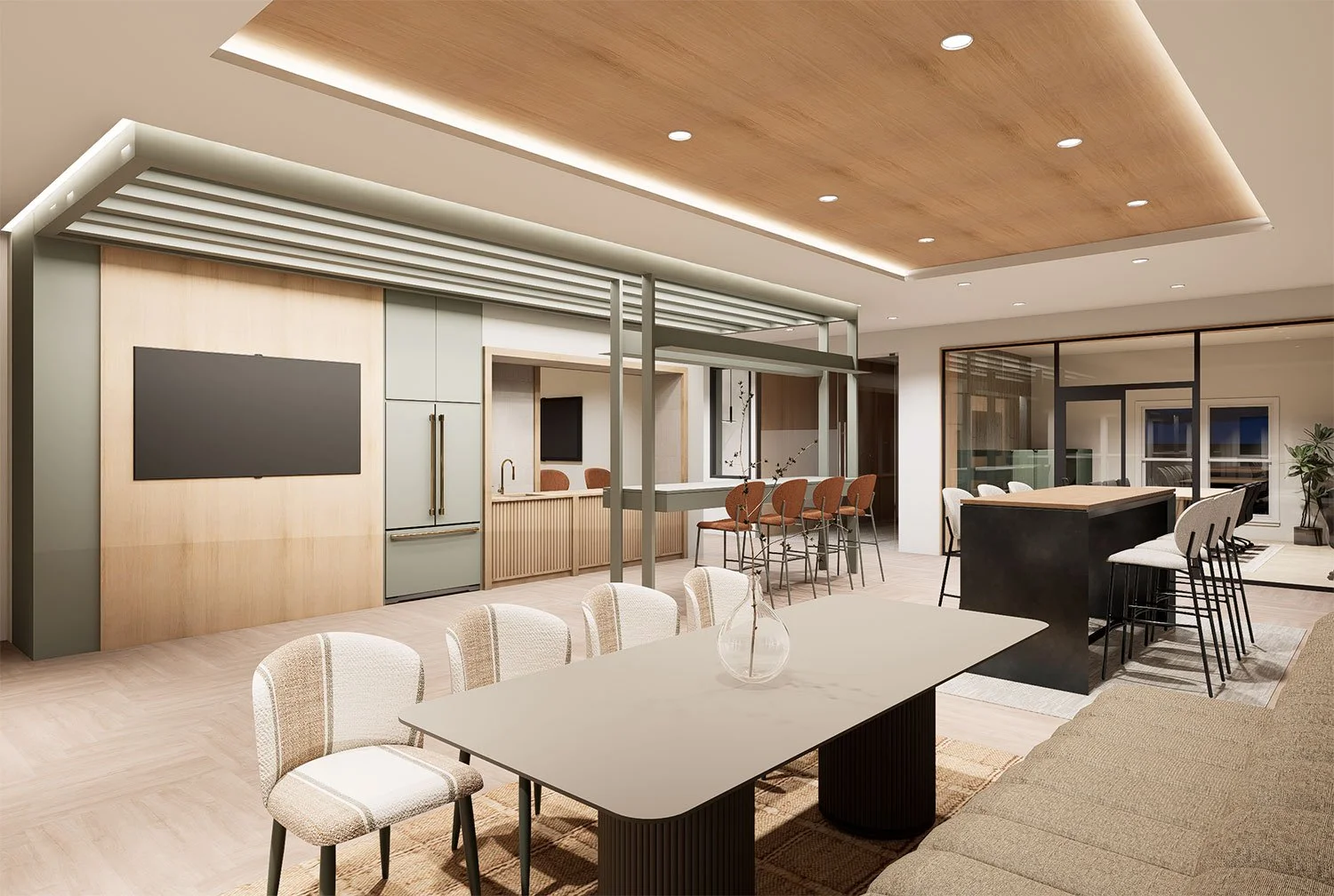
In modern commercial strategy, companies spend millions crafting digital identities, refining brand guidelines, and launching marketing campaigns. Yet, many organizations overlook their most powerful visual and sensory asset: their physical environment.
A brand isn't limited to a logo on a business card or a color palette on a website. It begins the moment someone steps across your threshold.
Long before a sales presentation begins or a keycard is issued, architecture and interior design communicate an organization's values, culture, and market position. Every material finish, custom lighting array, and spatial progression contributes to a built brand narrative. Designing physical environments with strategic purpose creates unforgettable spaces that build immediate trust and drive long-term equity.
At Maybeck Design, we view interior architecture as physical brand strategy. When spatial planning aligns with corporate identity, your built environment becomes an active tool for business growth.
The Limitations of Surface-Level Branding
Authentic environmental branding in multifamily development isn't about slapping a logo on a lobby accent wall; it is about embedding a property’s unique lifestyle narrative directly into the architectural fabric of the building.
A High-Density Urban Tech Community shouldn't just offer standard Wi-Fi; its common areas should feature seamless micro-coworking niches, concealed smart infrastructure, acoustic privacy pods for remote work, and clean, high-performance architectural lighting.
A Boutique Luxury Residence shouldn't rely on builder-grade finishes; its environment should express exclusivity and timeless value through heavy tactile timber, refined natural stone proportions, and intimate, quiet hearth lounges.
A Hospitality-Forward Active Lifestyle Asset must lead with sensory arrival sequences, warm, low-glare lighting scales, and intuitive, fluid social hubs that immediately communicate wellness, community, and elevated living.
Stage 01: Brand Identity & Resident Profile Audit
Deconstructing property positioning, local market dynamics, and target resident demographics into tangible spatial principles.
Stage 02: Spatial Narrative & Flow Mapping
Translating property branding into arrival sequences, sightlines, acoustics, and amenity transitions that drive leasing velocity and long-term retention.
Stage 03: Material & Architectural Specification
Curating custom millwork, high-durability tactile surfaces, and bespoke lighting temperatures that reflect asset quality without relying on superficial branding.
Stage 04: Built Execution & Asset Value Alignment
Delivering a high-performing physical environment that serves as a permanent leasing anchor, resident retention tool, and driver of Net Operating Income (NOI).
The Three Pillars of Architectural Spatial Branding
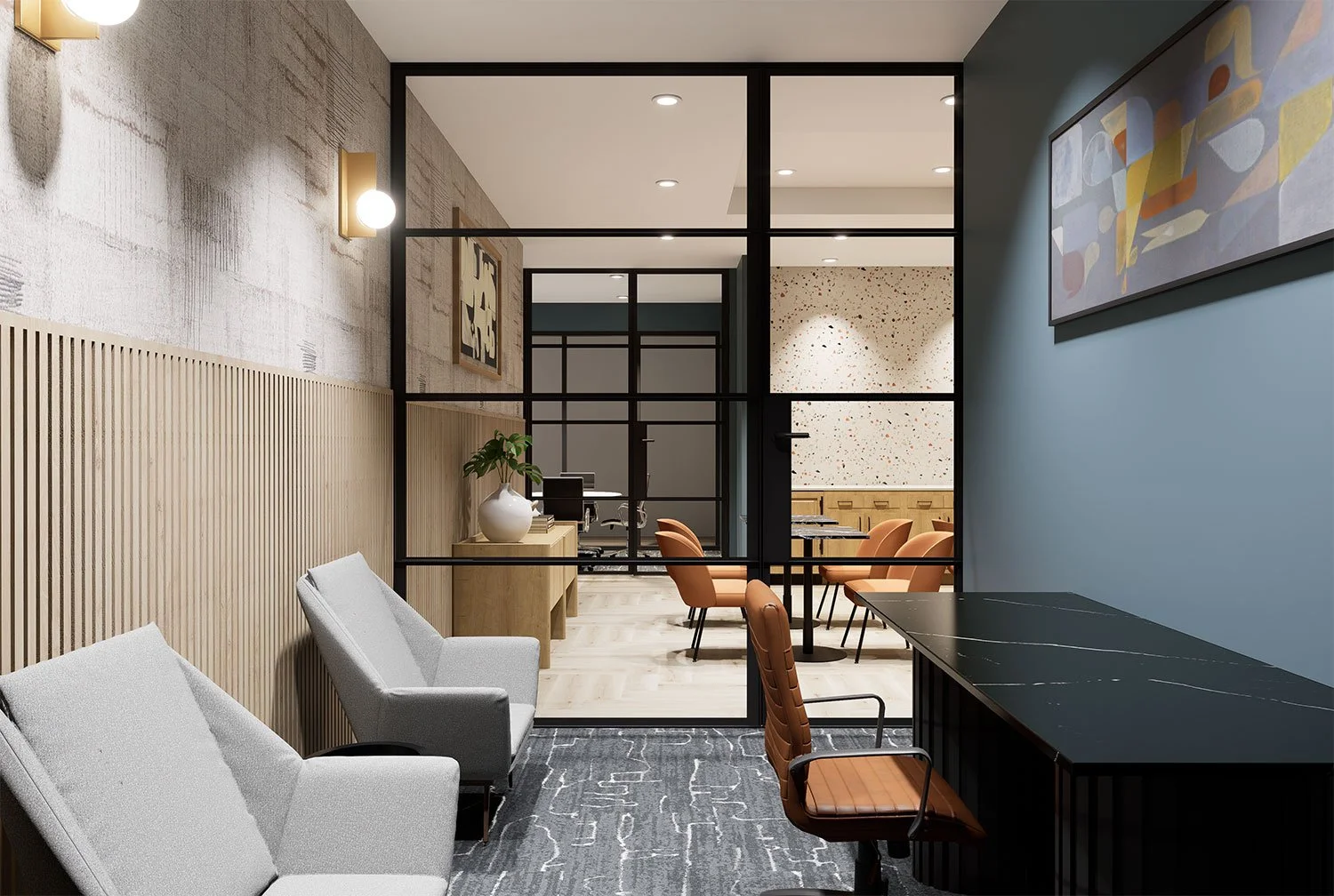
When Maybeck Design collaborates with corporate leaders and developers to align spatial architecture with brand positioning, we focus on three core physical pillars:
1. The Arrival Sequence (Immediate Trust)
Subconscious brand perceptions are formed within the first 30 seconds of entering a building. If an arrival experience feels chaotic, dimly lit, or institutional, prospective clients project those flaws onto your service standards. A curated arrival sequence—featuring custom reception millwork, warm lighting, and clear spatial sightlines—establishes immediate authority and trust.
2. Sensory Materiality and Tactile Value
Human beings process physical environments through touch, sound, and sight. The weight of a door handle, the acoustic absorption of a meeting room wall, and the authenticity of natural stone or wood send subtle, non-verbal signals about an organization's attention to detail. Specifying authentic, commercial-grade materials communicates financial stability and uncompromising quality.
3. Spatial Behavior and Organizational Culture
Architecture dictates human behavior. An open floor plate with zero acoustic control signals noise and distraction, whereas a space thoughtfully zoned with private focus sanctuaries, collaborative lounges, and fluid circulation paths tells employees and visitors that their focus, productivity, and well-being are valued.
“Architecture is the most honest medium a brand possesses. You can write any story you want in a marketing deck, but your physical environment reveals what you actually value.”
— Danielle Harbeck, Founder & Principal Strategist
The Commercial Advantage: Why Built Strategy Yields ROI
Investing in architectural spatial branding isn't an aesthetic luxury—it is a high-yield asset strategy. Aligning your physical footprint with your brand narrative unlocks three critical business advantages:
Accelerated Business Development: When prospective partners or high-value clients tour your headquarters, a bespoke architectural environment functions as a silent, persuasive presentation.
Talent Magnetism: Top-tier professionals choose workplaces that align with their lifestyle and professional standards. Elevated, hospitality-inspired environments increase employee engagement and in-office attendance.
Enhanced Asset Equity: For property owners and developers, embedding distinct architectural character into a building commands higher lease rates, speeds up absorption, and protects long-term asset valuation.
Craft Your Physical Brand Narrative
Your physical footprint is telling a story every single day. The question is: Is it telling the right one?
Stop treating your office or commercial asset as mere functional container. Let's transform your physical square footage into a powerful, living embodiment of your brand authority.

FAQ You Might Have
Q: What does "branding through architecture" mean?
A: Branding through architecture is the practice of embedding an organization's identity, values, and culture directly into the physical design of its environment. This includes spatial flow, material selection, acoustic design, millwork, and lighting scale, rather than relying on surface-level logos or graphic signs.
Q: How does physical space impact client perception?
A: Clients form non-verbal, subconscious impressions within seconds of entering a physical space. High-end, intentionally designed environments communicate professionalism, financial stability, attention to detail, and operational excellence before a single conversation takes place.
Q: What is the difference between graphic branding and spatial branding?
A: Graphic branding deals with 2D visual elements like logos, typography, and digital color schemes. Spatial branding translates those abstract concepts into 3D experiential environments using physical volume, lighting, acoustic control, tactile materials, and spatial behavior patterns.
Q: Can architectural branding improve employee retention and productivity?
A: Yes. Environments designed with strategic purpose offer a balance of collaborative lounges and quiet focus sanctuaries. Providing a comfortable, warm, and highly functional workspace enhances employee well-being, reinforces corporate culture, and naturally boosts in-office engagement.
Q: How does Maybeck Design integrate corporate identity into commercial interiors?
A: We conduct a cultural and operational audit to translate your brand principles into physical criteria. We then engineer custom millwork, lighting temperatures, acoustic solutions, and spatial progressions that reflect your brand authority without relying on generic commercial tropes.