
What Are the Key Considerations When Designing a Hospitality Space That Guests Remember?
The Heartbeat of Hospitality: Designing Spaces That Tell a Story
Imagine walking into a place you’ve never been before — the scent of warm timber, the low hum of conversation, soft light casting gentle shadows — and instantly feeling at ease, as though this space somehow knows you needed this moment of peace.
That’s no accident.
Hospitality design isn’t just about aesthetics. It’s about psychology. It’s about crafting experiences that captivate guests from the moment they arrive and stay with them long after they leave.
In this post, we explore the key considerations when designing a hospitality space — from the unseen emotional triggers at the entrance to the tactile comfort of a late-night lounge chair. The goal? To guide you in creating places that feel alive, welcoming, and unforgettable.
1. The Narrative Begins Before Arrival
Great hospitality design starts before the guest even steps through the door. Think of it like the first chapter of a book — it sets expectations, evokes curiosity, and foreshadows what’s to come.
Brand Promise Meets Environmental Cue
Guests start forming impressions from:
Exterior architecture
Signage and wayfinding
Parking experience
Arrival pathway and entry threshold
These cues tell a story:
“You are entering a place that cares…”
“Your experience here will be calming, or luxurious, or adventurous — choose your mood.”
In psychology, this is known as priming — subtle sensory input that shapes expectations. A beautifully designed façade with thoughtful lighting primes the mind for something special.
A confusing entrance or harsh lighting? That primes tension and uncertainty.
Design takeaway: Treat the approach and arrival as part of the guest journey, not just an entry point.
2. First Impressions: The Threshold of Emotion
Once a guest crosses the threshold, the design must confirm — or, better yet, exceed — their expectations.
This is where attention psychology comes into play.
Humans are wired to make snap judgments within milliseconds of seeing a new environment. Designers call this the first impression moment — and it can make or break guest satisfaction.
Elements that Shape Immediate Perception
Spatial Planning: Do sightlines draw the eye to points of interest? Is the space feeling too wide and empty, or cramped and claustrophobic?
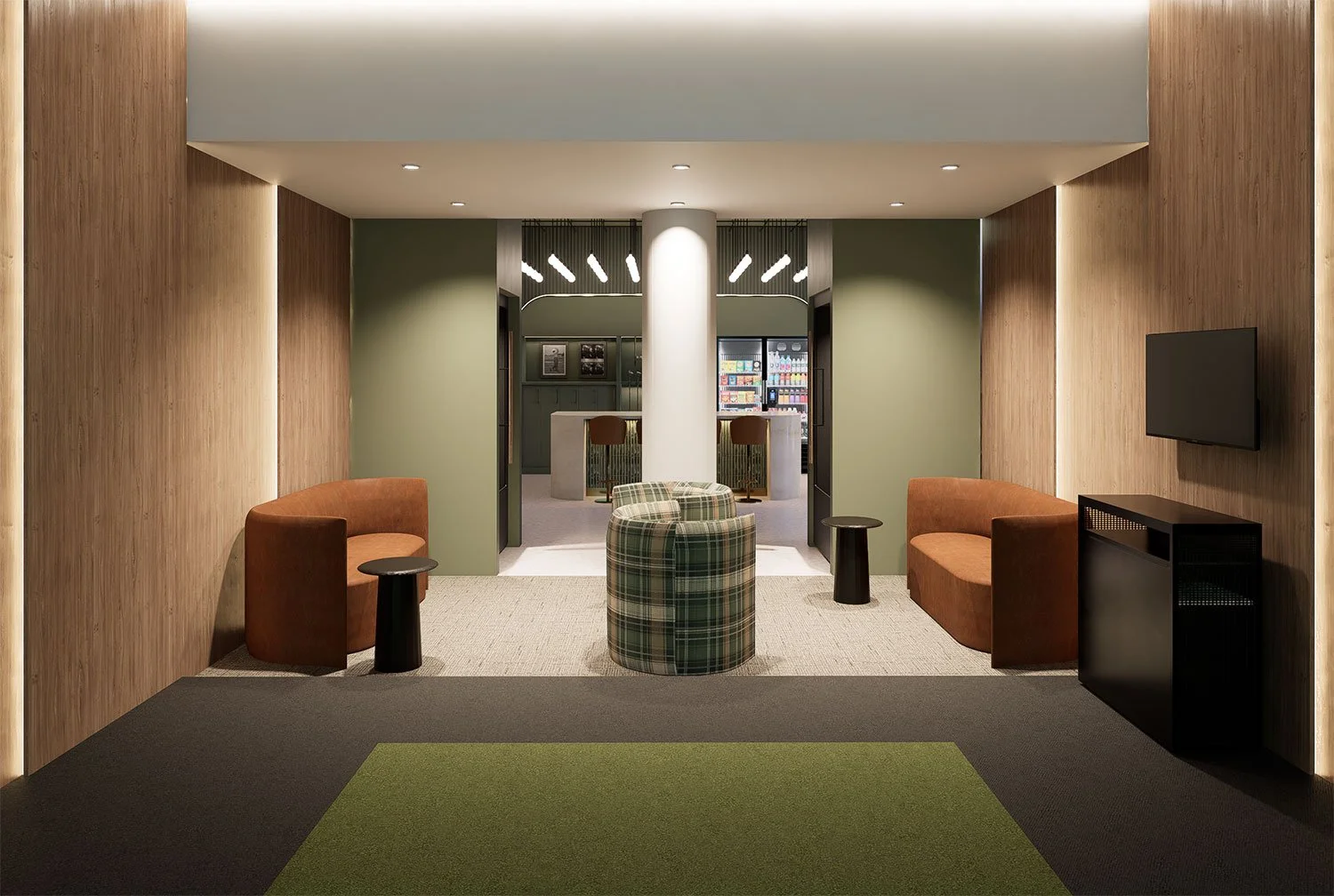
Sensory Harmony: Sound, smell, light, and texture all converge here. A quiet lobby with plush seating and warm materials immediately says: relax.
Functional Clarity: Guests must intuitively understand where to go — reception, lounge, elevators — without confusion.
This moment matters because the brain is prioritizing meaning. Uncertainty creates stress. Clarity creates comfort.
Design strategy tip: Use visual anchors — a striking light fixture, a curated art piece, a water feature — to orient attention and emotional response positively.
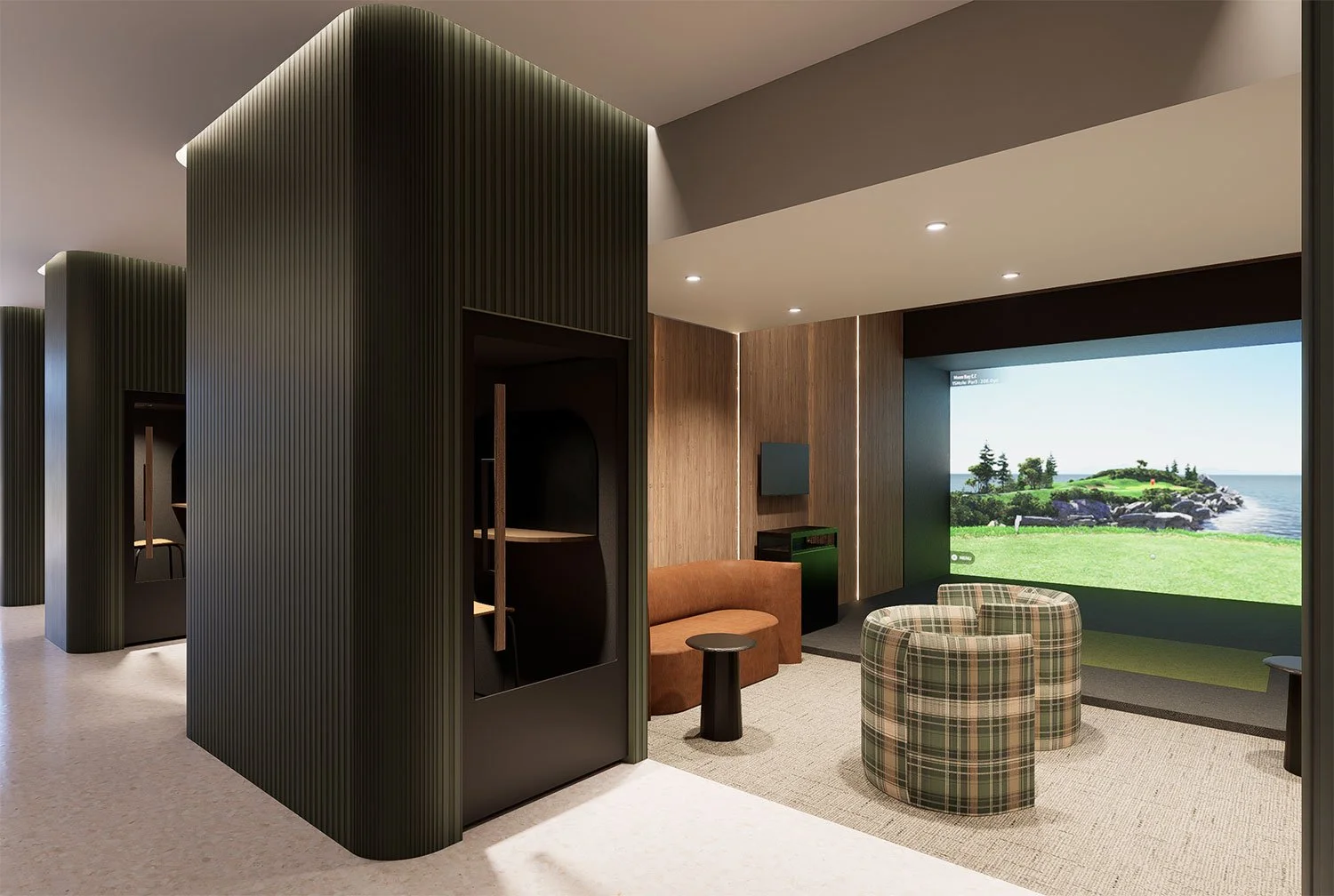
3. Purposeful Spatial Flow: The Architecture of Movement
Hospitality spaces are dynamic environments — people arrive, leave, meet, dine, rest, socialize, reflect. Each of these actions requires a physical and psychological path.
A poorly planned circulation flow feels like navigating a maze. A well-designed one feels like a gently guided journey.
Read the Space Like a Storyboard
Ask:
What happens first when a guest walks in?
Where do they naturally want to go next?
What experiences should unfold in sequence?
Each area has distinct emotional cues:
Social spaces are vibrant, brighter, with textures that invite touch.
Transitional spaces (hallways) are quieter and visually simpler.
Private spaces are soft, warm, and rhythmically calming.
Design insight: Movement isn’t just physical — it’s emotional. Align spatial sequencing with mood transitions.
4. Lighting as Emotional Architecture
Every hospitality designer knows lighting is more than illumination — it’s mood in motion.
Light directs attention. It colors perception. It cues emotion.
The Three Layers of Lighting
Ambient Light — the base layer
Establishes overall brightness and toneTask Light — focused and functional
Helps with reading menus, working, makeup, etc.Accent Light — dramatic and characterful
Highlights features, art, textures
Guests respond subconsciously to contrast — warm light feels cozy, bright light feels energetic, soft shadows create intrigue.
5. Materiality and Texture: Tactile Storytelling
Humans process a staggering amount of information through touch. The feel of a surface can communicate value, comfort, history, and intention.
Imagine:
The cool smoothness of marble in an upscale lobby
The cozy warmth of a wool rug in a lounge nook
The visible grain of timber that feels honest and grounded
These details add depth to the guest’s lived experience.
Material Hierarchy Matters
Different spaces call for different tactile messages:
Durable but refined in high-traffic lobbies
Soft and soothing in guest rooms
Hard and sanitary in service areas (but still thoughtful)
When materials are chosen with intention, guests feel cared for — often without knowing why.
Pro tip: Pair materials with scent and sound to create rich sensory memories.
6. Color Psychology: Beyond Aesthetics
Color isn’t decoration — it’s communication.
Different hues can alter mood, focus, and even perception of space.
Color Cues That Influence Behavior
Blues and greens: calm and restful — great for lounges and rooms
Warm neutrals: welcoming and inclusive — ideal for lobbies
Accent colors (reds, oranges): energetic and social — great in dining zones
But it’s not just about choosing pretty palettes — it’s about contextual meaning. A deep blue can feel luxurious in one place, but cold in another if not paired with warm textures and lighting.
Storytelling through color: Link your brand’s narrative to the palette — earthy tones for nature-inspired retreats, vibrant hues for creative urban spaces.
7. Acoustic Design: The Invisible Comfort Layer
Imagine a busy lobby with clattering plates, echoing footsteps, and tinny announcements. Guests tense up. Stress hormones tick upward. Conversation becomes difficult.
Now imagine instead:
Soft background soundtracks tailored to time of day
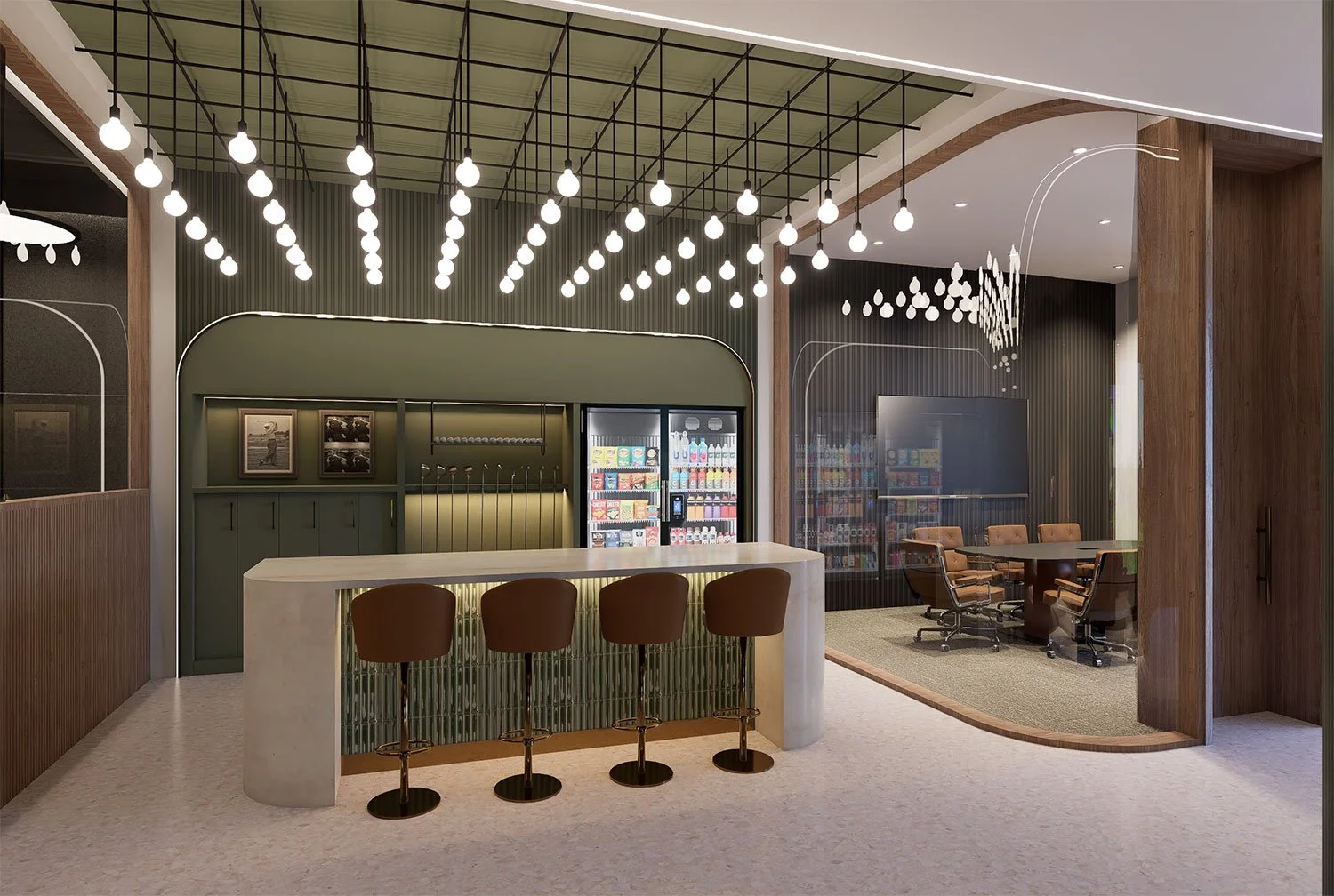
Textured wall panels that absorb noise
Strategic planting or water features that buffer sound
The difference is psychological ease.
Acoustic design is often invisible until it’s missing. But when it’s done well, guests don’t think about it — they simply feel relaxed.
Design note: Prioritize acoustics early — retrofitting sound solutions after finishes are installed is expensive and disruptive.
8. Functional Intelligence: The Design That Works
A beautiful space that doesn’t function well will fail its purpose.
Consider:
Storage solutions for luggage
Seating arrangements that facilitate conversation without crowding
Clear signage that reduces stress
Power outlets and charging hubs where people naturally dwell
Effortless functionality creates subconscious comfort. Guests shouldn’t think about how to use the space — they should just use it.
Example: In a lobby lounge, low coffee tables might look chic — but if guests can’t eat or work comfortably there, the aesthetic becomes a barrier.
Rule of thumb: Beauty must always serve behavior.
9. Cultural Context: Designing with Respect and Relevance
Hospitality spaces do not exist in isolation — they exist within a cultural landscape.
Consider:
Local architectural vernacular
Traditional crafts and materials
Social norms around gathering and privacy
When design honors cultural context, guests feel rooted and welcomed in a place that feels both authentic and respectful.
For international travelers, this can be a profound part of the experience: feeling welcomed into the local story, not into a generic template.
10. Emotional Zoning: Designing for Mood
Every hospitality space contains emotional zones — and each needs different design logic.
Welcoming & energizing — arrival and social spaces
Focused & functional — work zones or co-working lounges
Relaxing & restorative — guest rooms and quiet nooks
Celebratory & vibrant — bars, event spaces
Use design elements to cue these emotional zones:
Lighting
Materials
Sound
Spatial density
Color
When done well, guests instinctively feel the purpose of each zone without being told.
Conclusion: Design with Empathy, Not Aesthetics Alone
Great hospitality design is a blend of:
Psychology
Storytelling
Function
Emotion
Ethics
It’s about reading human needs before they’re spoken — and shaping spaces that answer them.
When you design with empathy, every detail becomes a conversation — a whisper of comfort, a gesture of welcome, a memory in the making.
Because hospitality isn’t just a space. It’s a feeling.
And the best design? It helps guests feel at home — everywhere.