
The Story Behind Every Great Restaurant: How Interior Design Shapes Experience, Brand, and Success
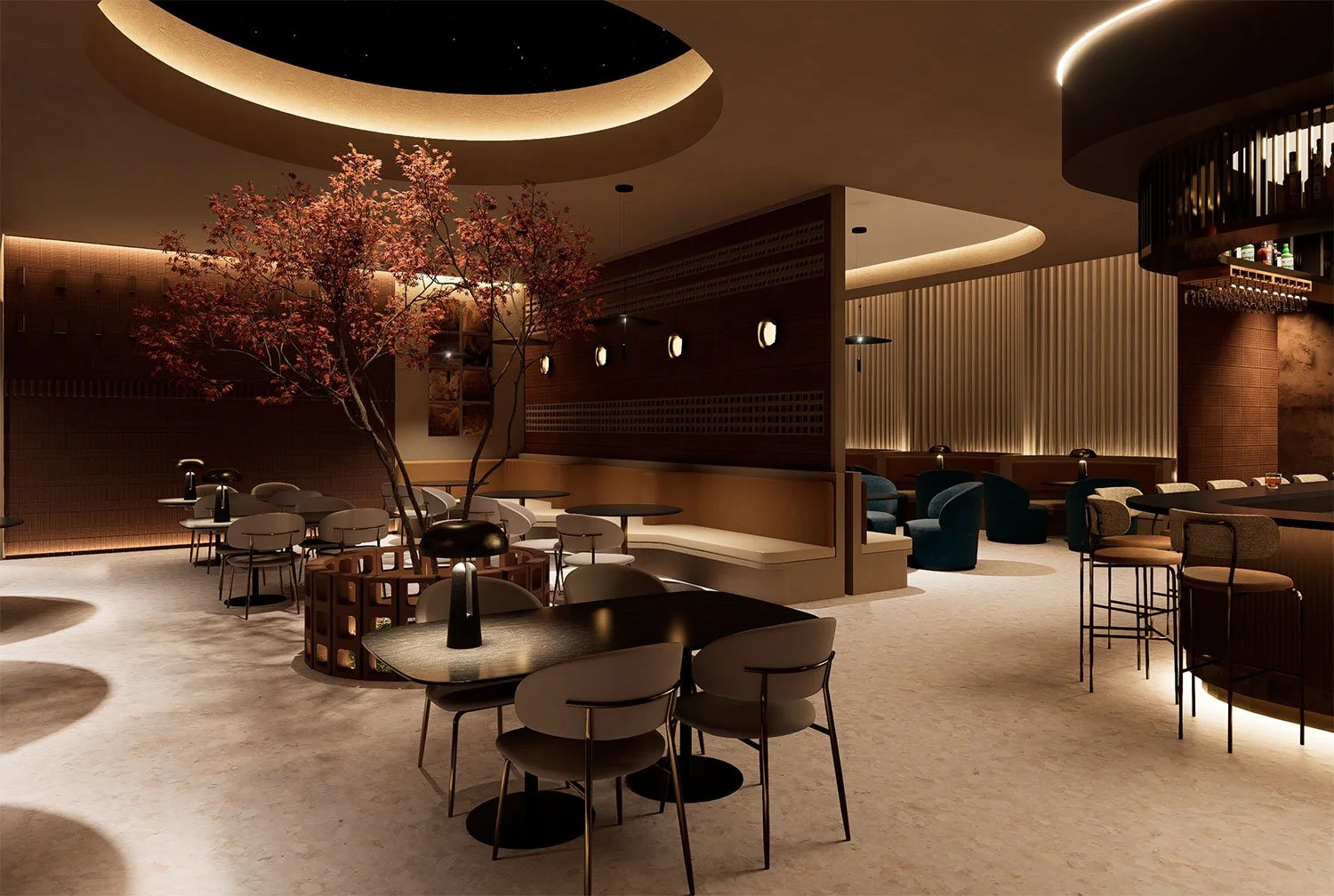
Walk into a restaurant for the first time. You don’t know the chef, the menu, or the story behind the dishes. And yet, within moments, you already have an impression. You notice the lighting, the flow of the space, the materials under your fingertips, the placement of tables, and even the subtle acoustics in the room. Every detail is communicating, silently, about what kind of experience you’re about to have.
For developers, restaurant owners, and hospitality groups, this isn’t coincidence. It’s intentional. And that intention is where interior design transforms a simple restaurant into a space people remember.
At Maybeck Design we understand that every commercial interior is more than decoration—it’s a story told through space, movement, and material. In this guide, we’ll explore how restaurant interior design shapes customer experience, supports operational efficiency, and drives long-term business success.
Restaurants Are Remembered Long Before the First Bite
Consider two restaurants: one bustling with energy, where every table is full and the atmosphere feels effortless; the other, quiet and empty, with uneven lighting and awkward spacing. Which will people remember? Which will earn repeat visits?
Restaurant interiors don’t just hold diners—they set expectations. Research in environmental psychology shows that humans react to spatial cues instinctively. A well-designed space communicates:
Trust: Guests feel confident the brand knows what it’s doing.
Comfort: Patrons linger longer when seating, lighting, and circulation are intentional.
Experience: Thoughtful design enhances mood, appetite, and engagement.
Every square foot matters. Every texture, color, and sightline subtly guides behavior. For developers and restaurant owners, understanding this silent influence is crucial for both guest satisfaction and ROI.
Interior Design: The First Language of Your Brand
Interior design is the restaurant’s first conversation with its audience. Before a menu is opened or a dish arrives, the space communicates identity, values, and quality.
Imagine a fine dining restaurant with a sleek, understated color palette, warm lighting, and careful table spacing. The space signals precision, attention to detail, and calm sophistication. Contrast that with a casual diner with bright colors, energetic lighting, and open seating—here, the message is approachable, lively, and social.
At Maybeck Design, we work with our clients to translate brand vision into spatial reality. Whether you’re a developer launching a hospitality project, a restaurant owner refining your concept, or a hospitality group standardizing multiple locations, the space must reflect your unique identity while optimizing for functionality and profitability.
Designing Emotion: The Psychology of Space
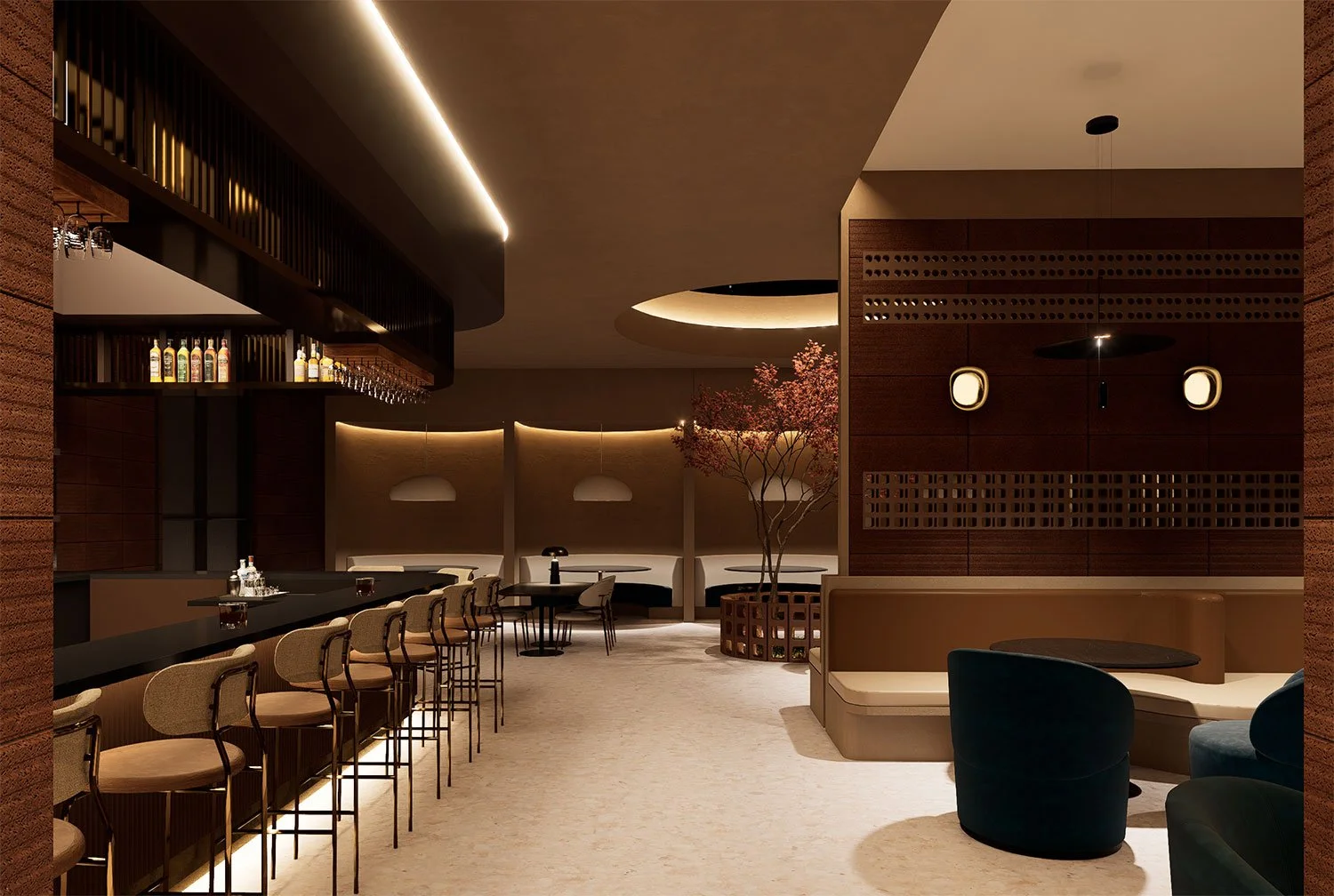
Restaurant design is as much about psychology as it is about aesthetics. Lighting, materials, and layout evoke emotions that influence perception, behavior, and ultimately, business outcomes.
Lighting: Warm lighting encourages comfort and dwell time, while dynamic lighting can energize a casual dining space.
Acoustics: Background noise affects conversation and perceived crowd levels—too loud, and guests leave; too quiet, and the space feels empty.
Texture and Materials: Natural wood, stone, and textiles convey quality and durability, creating a tactile story that reinforces the brand.
Designing for emotion ensures that guests not only eat—they experience. Spaces that resonate emotionally generate loyalty, social media sharing, and positive word-of-mouth.
Flow and Comfort: Guiding Behavior Without Words
Every restaurant has an invisible choreography. Guests enter, order, dine, and leave. Staff navigate the space to serve efficiently. Poor layout creates friction—crowding, bottlenecks, or wasted space—that disrupts flow and affects revenue.
Maybeck Design approaches restaurant layout strategically:
Zoning: Separate service, dining, and circulation areas to reduce congestion.
Seating Strategy: Position tables for comfort, privacy, and flexibility while maximizing occupancy.
Staff Efficiency: Ensure kitchen access and server paths minimize movement, saving time and energy.
The goal is seamless operation that feels effortless to the guest and practical for staff—a space where every movement is intentional.
Color, Materials, and Storytelling
Colors and materials do more than please the eye. They tell a story. They signal brand personality and influence behavior.
Color Psychology: Warm tones stimulate appetite; cool tones create calm. The right palette aligns with the desired mood.
Material Durability: Restaurant interiors must withstand daily wear while maintaining aesthetic appeal. Choosing materials that balance style and function protects investment.
Detailing: From trim to finishes, every detail reinforces professionalism and brand integrity.
When executed thoughtfully, these elements transform a restaurant from a transactional space into a memorable experience.
From Vision to Reality: The Commercial Design Process
Designing a restaurant interior is not improvisation—it is a structured, strategic process. At Maybeck Design, we guide clients through every step:
Discovery & Research: Understand brand identity, target audience, and operational requirements.
Concept Development: Transform vision into a design concept that communicates emotion and functionality.
Space Planning & Zoning: Optimize flow, seating, and service areas for comfort and efficiency.
3D Visualization & Mockups: Allow stakeholders to experience the space before construction begins.
Fit-Out & Execution: Deliver high-quality build with attention to detail, timelines, and budget.
This structured approach ensures that every restaurant is a cohesive, functioning, and memorable environment.
Restaurants as Experiences, Not Just Spaces
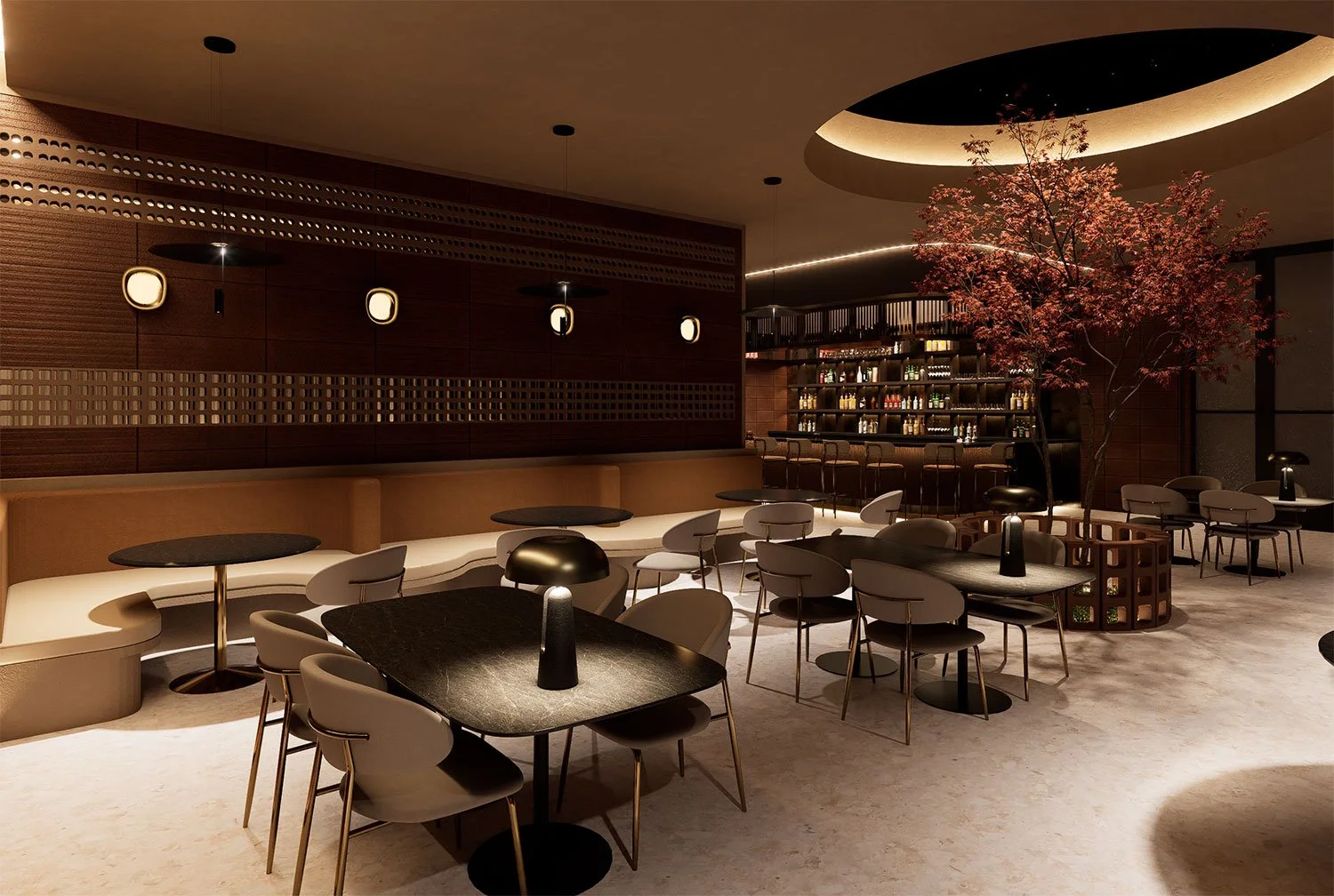
Today’s diners don’t just seek food—they seek an experience. Instagram-worthy spaces, thoughtful seating, and intuitive design elevate the dining journey. Every choice, from table height to lighting intensity, becomes part of the guest story.
Hospitality groups and developers recognize that investing in professional interior design is an investment in brand equity, guest loyalty, and operational excellence.
The Role of a Commercial Interior Designer
Hiring an experienced commercial interior designer transforms vision into reality. Maybeck Design acts as:
Strategist: Balancing brand identity, operational needs, and guest experience.
Storyteller: Crafting spatial narratives that communicate without words.
Problem Solver: Addressing practical constraints like budget, codes, and flow.
Integrator: Coordinating with architects, contractors, and stakeholders for flawless execution.
A professional designer ensures that every square foot is intentional, functional, and aligned with business objectives.
From Empty Space to Living Experience
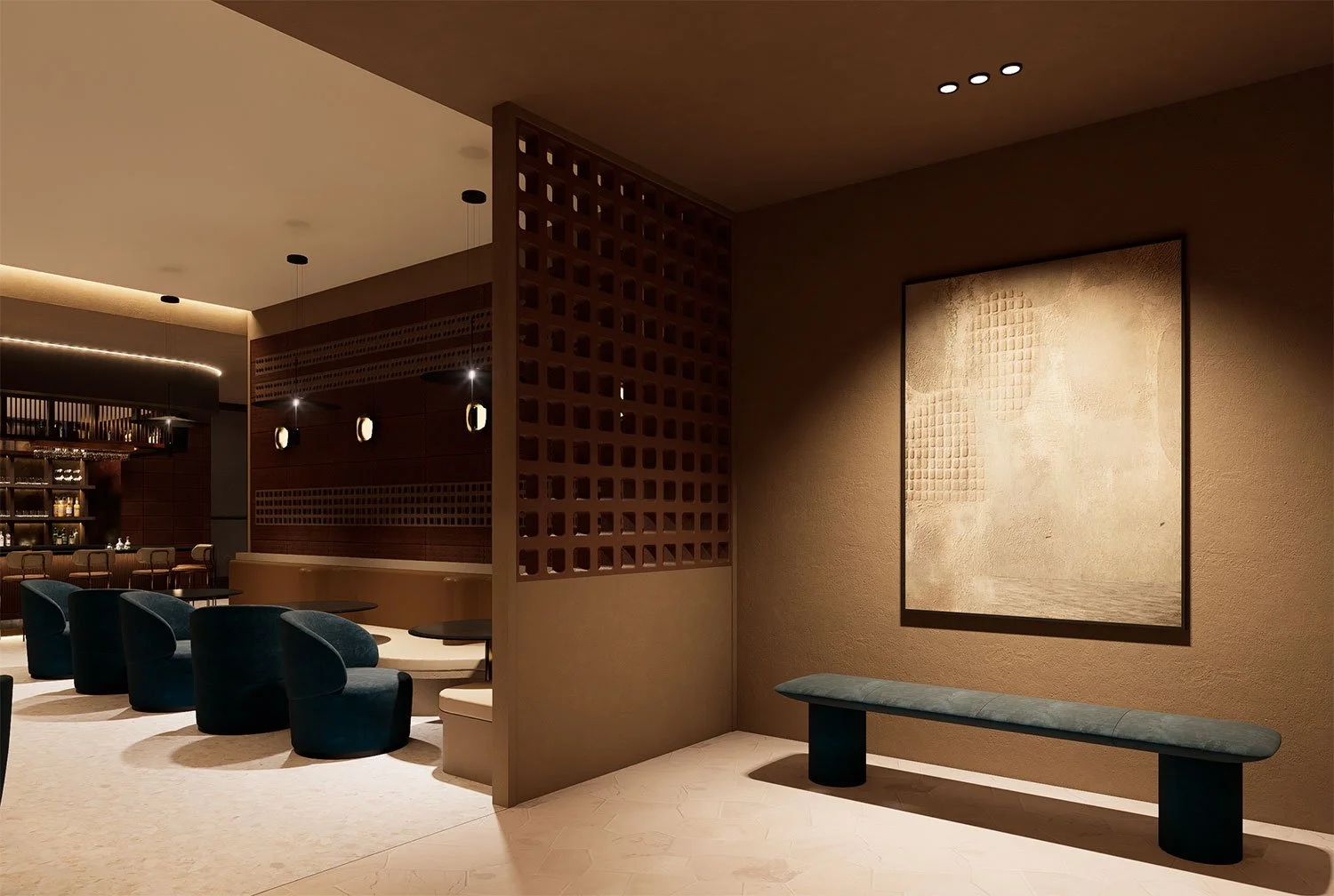
Every restaurant starts as a blank canvas. The difference between an ordinary dining room and a space people remember is design with intention. Thoughtful planning, psychological insight, operational understanding, and aesthetic judgment combine to create environments that support your brand and your business goals.
At Maybeck Design, we specialize in guiding developers, restaurant owners, and hospitality leaders through this transformation. From first concept to final execution, we ensure the space works, feels, and performs—turning empty square footage into a vibrant, living experience.
Closing
A restaurant interior is never just a backdrop. It is the stage on which your brand performs every day. It communicates identity, influences behavior, and drives profitability—long before the first dish reaches the table.
Every decision, from layout to materials, from lighting to seating, is a story waiting to be told. The question is: are you telling the right story?
Let’s design a space that supports your vision, your brand, and your growth.