
The Unified Asset: Why Strategic Branding is the Future of Commercial Interior Design
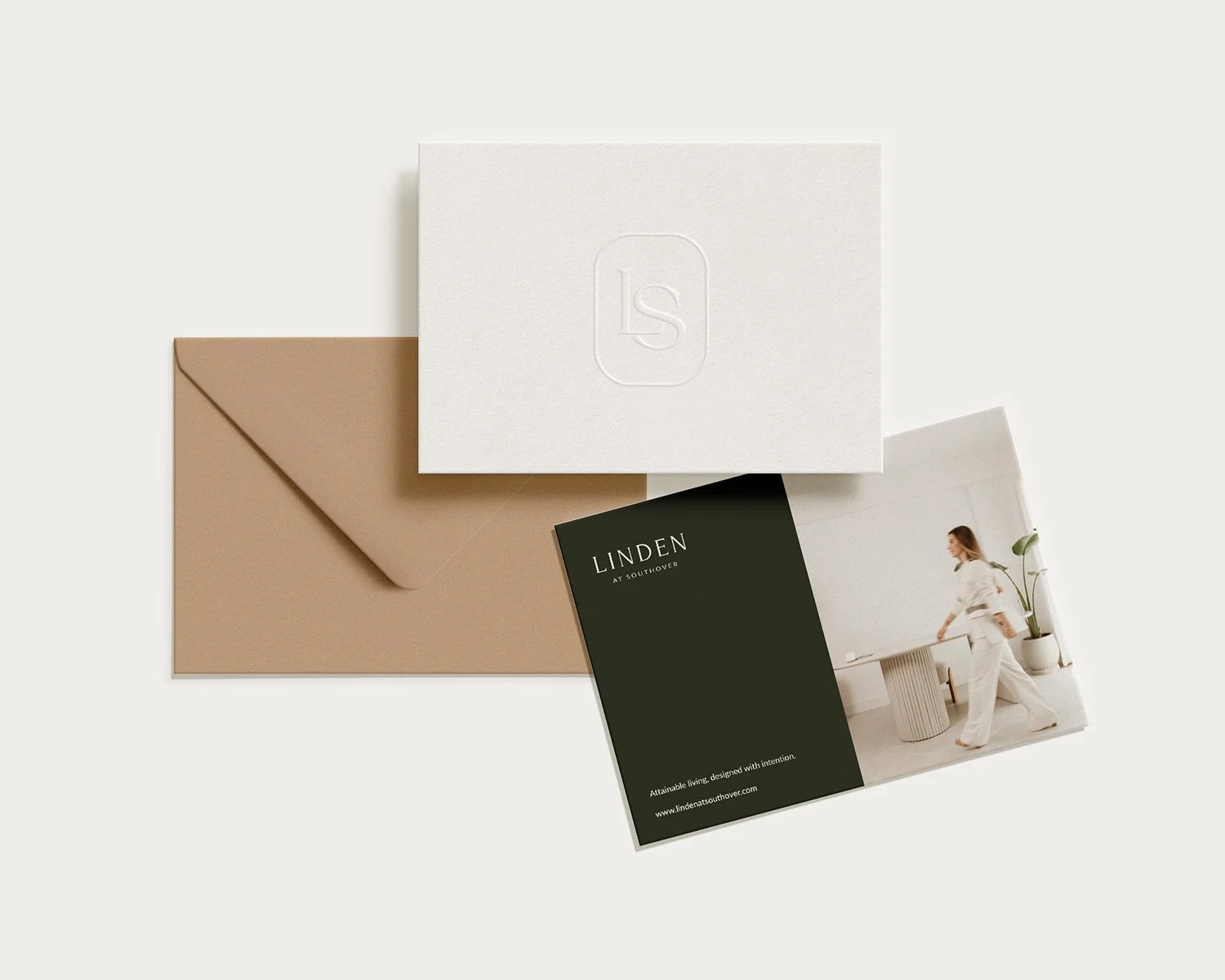
In the traditional development model, "Branding" and "Interior Design" were treated as two separate silos. You hired a graphic agency for the logo and an interior firm for the layout. But in 2026, the market has matured. For sophisticated developers and commercial business owners, this fragmented approach is no longer a viable strategy—it’s a missed opportunity for value creation.
At Maybeck Design, we are redefining the creative landscape by offering a fully integrated Branding and Identityservice specifically for commercial projects. We believe that a building’s brand shouldn’t just sit on a business card; it should be breathed into the very mortar and light of the physical space.
1. The ROI of Cohesion: Moving Beyond Aesthetics
For a developer, every design decision must be an investment. When branding and interiors are unified from day one, the asset's value increases exponentially.
Market Differentiation: In a sea of "cookie-cutter" office parks and hospitality chains, a branded environment provides Information Gain. It tells a story that justifies a premium lease rate or a higher Average Daily Rate (ADR).
Reduced Friction in Leasing: Tenants aren't just renting square footage; they are renting an identity. A branded building communicates professionalism, stability, and vision, making the lease-up process significantly faster.
Portfolio Equity: For developers managing multiple assets, integrated branding creates a scalable design language. It allows you to build an "ecosystem of trust" where investors and tenants recognize the quality of a Maybeck-designed project before they even step inside.
2. Narrative Architecture: Branding You Can Feel
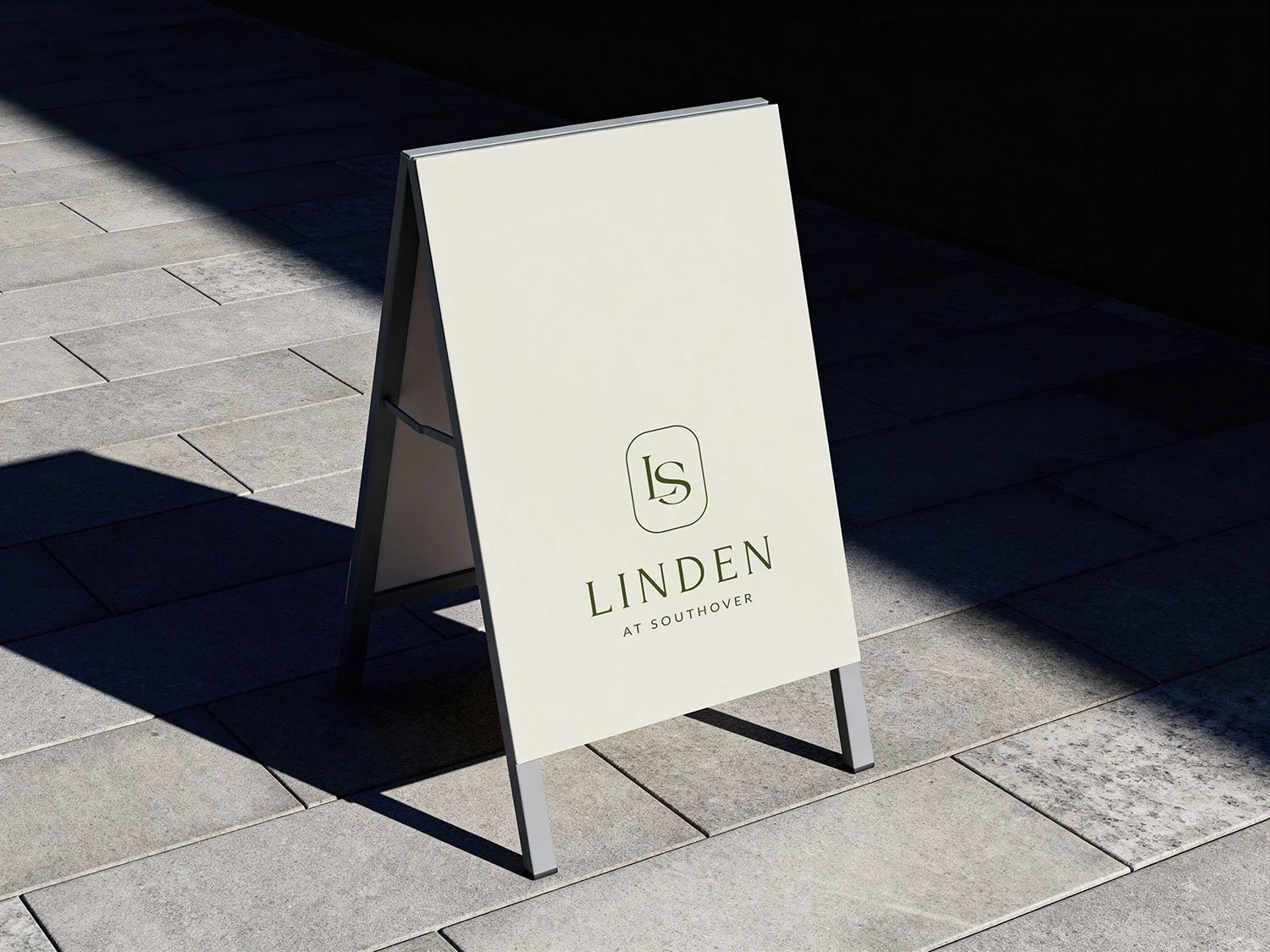
Branding is often misunderstood as "putting a logo on a wall." At Maybeck Design, we treat branding as Narrative Architecture. It is the process of translating a company’s values and soul into the physical world.
Materiality as Messaging: If your brand stands for "Innovation," your space should utilize precision-cut metals and smart-glass. If your brand stands for "Sustainability," we prioritize reclaimed timbers and bio-morphic forms. We ensure that the textures your guests touch align with the promise your brand makes.
Sensory Branding: True identity engages all five senses. We integrate bespoke lighting temperatures, curated acoustic shadows, and even olfactory strategies that reinforce the brand's presence without saying a word.
The "Jewelry Box" Integration: We use our signature "Jewelry Box" strategy to embed the brand identity into unexpected "Signature Moments"—such as a custom-etched stone reception desk or a branded ceiling installation—that act as psychological anchors for the visitor.
3. The Psychology of the "Total Environment"
Why does this integration matter to the bottom line? It comes down to human psychology.
When a brand’s digital presence (website/social) matches its physical presence (interiors), it creates a sense of Cognitive Harmony. This harmony builds immediate trust. Conversely, a disconnect between the "promise" of the branding and the "reality" of the space creates subconscious friction, lowering guest satisfaction and employee morale.
By offering branding as an in-house service, Maybeck Design ensures that your project’s mission is never "lost in translation" between an architect and a marketing firm. We act as the single source of truth for your asset’s identity.
Strategic Design Insights: Your Questions on Branding & Identity
Q: Why should an interior design firm handle my branding instead of a traditional agency?
A: Traditional agencies design for 2D surfaces. Maybeck Design understands how a brand behaves in 3D. We know how a logo looks when cast as a shadow, how a brand color feels under 3000K lighting, and how a brand’s "voice" translates into the flow of a lobby. We design for the human experience, not just the screen.
Q: At what stage of the project should branding be introduced?
A: Ideally, during the concept phase. When branding is integrated early, it informs the architectural choices—everything from the facade's rhythm to the selection of the core materials. This prevents the "branding" from feeling like an afterthought or a "stuck-on" ornament.
Q: How does integrated branding affect tenant retention?
A: Tenants want to operate in spaces that reflect their own success. A well-branded building acts as a "silent partner" to their business. When a space feels intentional and high-end, tenants feel a sense of pride and belonging, which significantly lowers turnover rates and maintenance friction.
Q: Is branding only for hospitality projects?
A: Not at all. Branding is critical for Multi-family residential (creating a sense of community), Medical & Healthcare (establishing trust and vitality), and Corporate Offices (boosting employee productivity and culture). Every commercial asset has a brand; the question is whether you are intentionally designing it.
Final Thoughts: The Single-Source Advantage
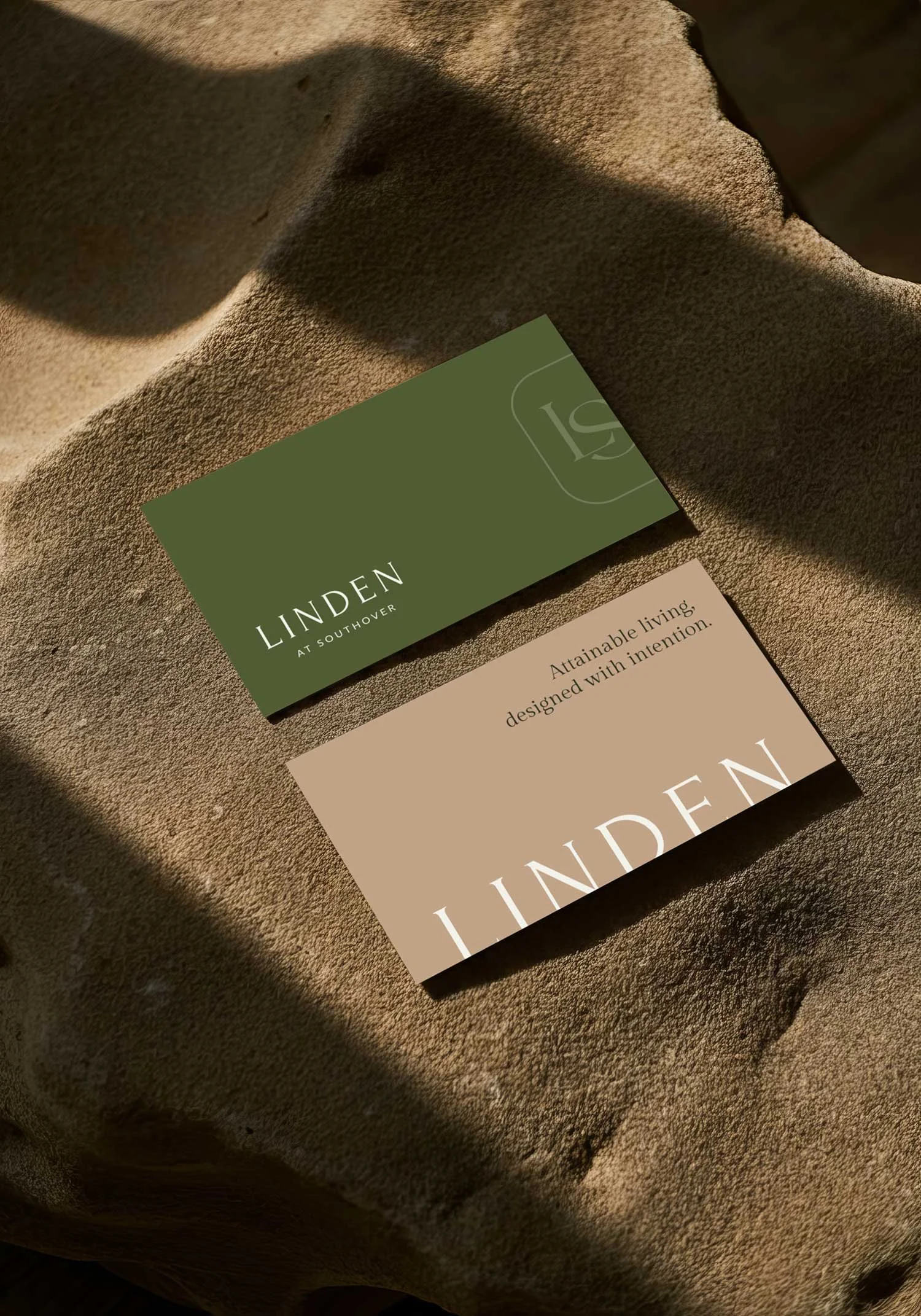
The future of commercial real estate is not found in more square footage, but in more meaningful environments. By merging Branding and Interior Design, Maybeck Design provides a "one-stop service" that takes a project from a nebulous concept to a high-performing, culturally resonant landmark. We don't just design rooms; we build the visual and physical language of your business's future.