
The Resident as a Guest: What Residential Developers Must Learn from Luxury Hotels
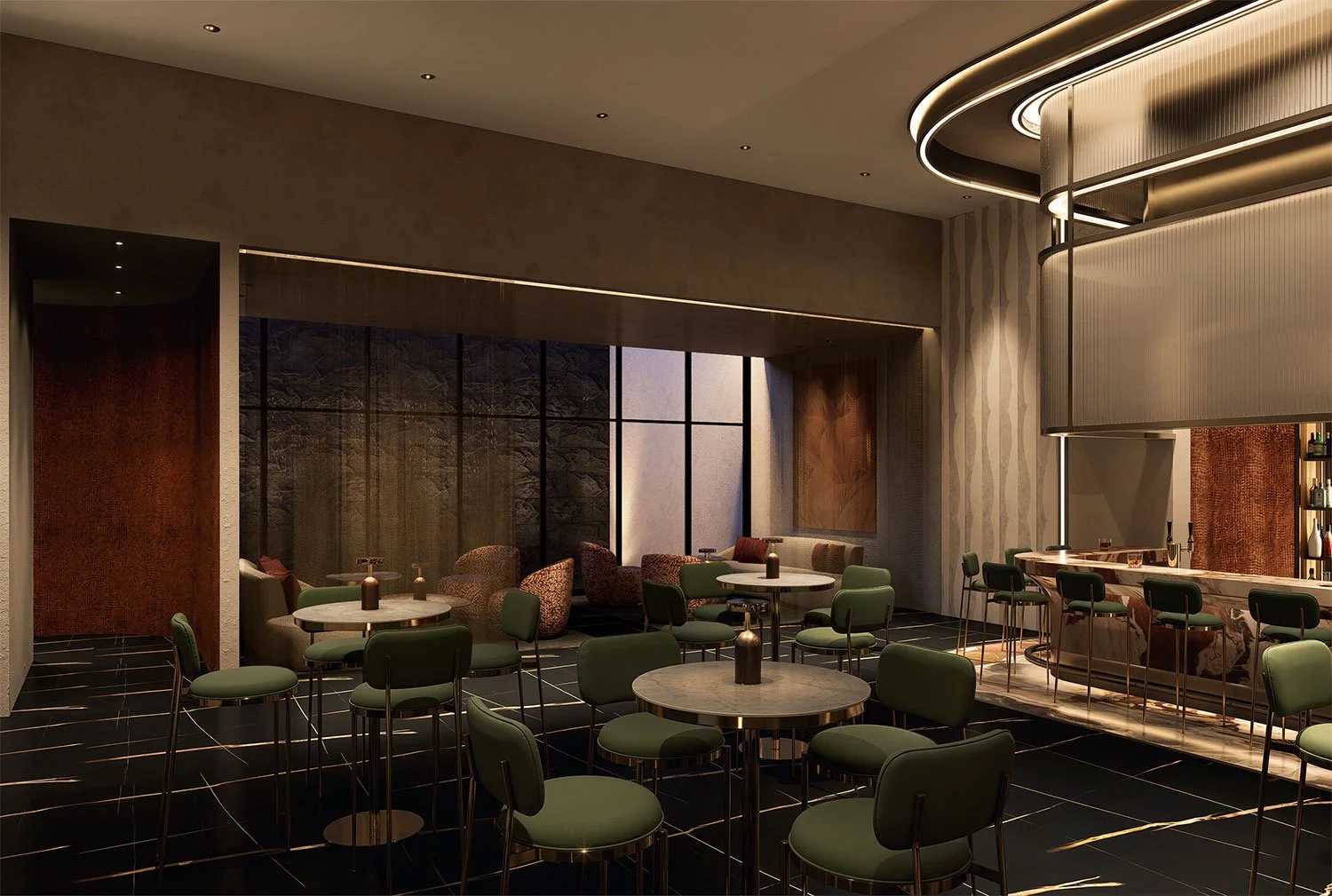
The traditional framework for residential development has reached an evolutionary dead end. For decades, the formula for building multifamily complexes, student housing, and senior living facilities was entirely volume-driven: maximize the unit count, standardize the finishes, and drop in a static, unmonitored clubhouse to check the "amenity box."
But in the highly competitive capital landscape of 2026, that formula is failing to defend asset yields.
At Maybeck Design, we are showing forward-thinking developers a more profitable path forward. The most resilient, high-performing communities today are completely abandoning the legacy landlord-tenant relationship. Instead, they are reshaping their entire operational and spatial models around a powerful hospitality truth: The line between living somewhere and staying somewhere has vanished.
By treating residents as long-term guests and infusing developments with boutique hotel experiences, developers can unlock unprecedented levels of community engagement, tenant satisfaction, and lease premiums. Here are the four core hotel strategies reshaping modern living assets.
1. The Concierge Transition: From Administrative to Experiential
In standard residential builds, the arrival sequence feels transactional. You are greeted by a locked vestibule, a row of sterile package lockers, and an empty management desk.
Luxury hotels, however, understand that the entrance is a critical "Sensory Handshake."
When Maybeck Design partners on a living asset, we reshape the lobby into a hospitality-forward check-in experience. We replace institutional leasing desks with approachable, beautifully lit concierge portals. This structural shift alters the entire psychological tone of the property. The entry becomes a hub of active service—handling logistics, coordinating community needs, and providing a high-touch point of contact that immediately justifies premium rent rates.
2. Integrated Coffee Culture: Moving Beyond the Keurig Station
A generic coffee maker sitting in a corner is no longer a perk; it’s an oversight. Hotels have long understood that food and beverage spaces are the ultimate anchors of human energy.
We advise developers to replace the "amenity counter" with a fully realized, integrated coffee bar. This zone should look, feel, and sound like a high-end neighborhood café. By utilizing rich timber cladding, premium acoustic dampening, and comfortable, ergonomically varied lounge seating, this space becomes a daily ritual for residents. It functions as an organic networking hub for student housing, a vibrant morning destination for senior living, and a critical remote-work refuge for multifamily professionals.
3. Flexible Social Spaces: Programming for the Evolving Day
The single biggest waste of capital in traditional development is the "Dead Lounge"—a massive, single-use room that sits completely empty for 22 hours a day. Hotels cannot afford dead square footage, and neither can residential developers.
The solution lies in Spatial Elasticity. Our studio designs flexible social spaces that morph seamlessly based on the time of day:
The Morning Matrix: A sunlit, quiet zone structured for focus, reading, and casual meetings.
The Midday Pivot: Seamlessly transitions into a collaborative co-working ecosystem with integrated, invisible tech plugins and adjustable lighting.
The Evening Evolution: Soft, low-level architectural lighting takes over, transforming the space into an intimate social lounge or community gathering asset.
By programming spaces to change color temperature, acoustic profiles, and layouts, you ensure the asset actively drives resident engagement around the clock.
4. Resort-Style Amenities: Engineering the Everyday Escape
True luxury isn't about flashy, superficial upgrades; it is about the intentional removal of daily friction. Hotels excel at creating an atmosphere of effortless escape, and this is exactly what modern residents are willing to pay a premium for.
In multifamily and student developments, this means moving past basic gym setups and pool decks toward holistic wellness ecosystems. We specify advanced circadian lighting networks, spa-grade changing facilities, and outdoor micro-sanctuaries that feature lush biophilic zoning and premium exterior acoustics. In senior living environments, this approach honors resident dignity, transforming mandatory therapy or wellness areas into beautiful, resort-grade thermal suites and relaxation lounges that residents genuinely look forward to visiting.
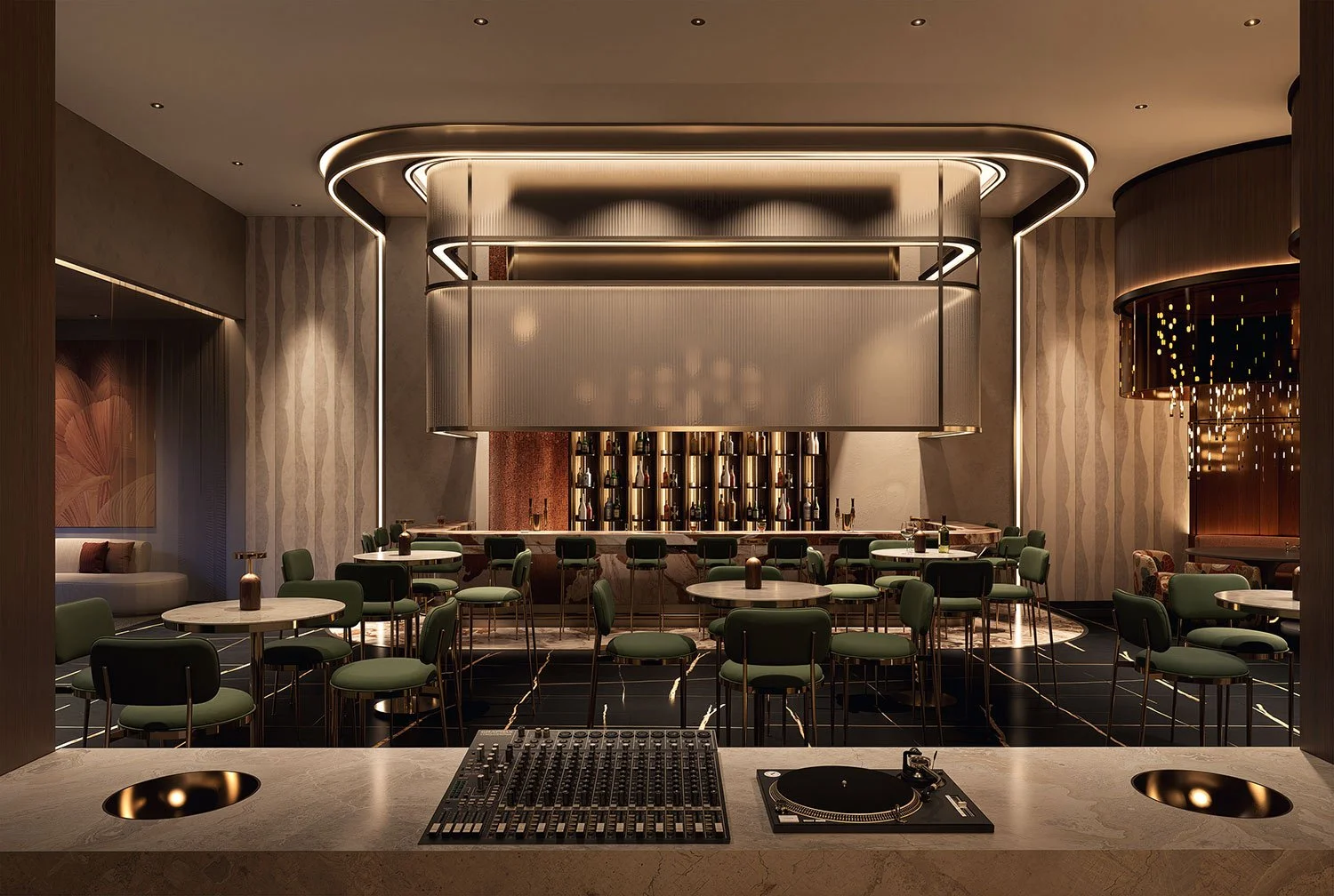
The Economics of the Hospitality Blueprint
Transitioning to a hospitality-driven model isn't just an aesthetic preference—it is a strict financial defense mechanism. The ultimate destroyer of residential ROI is tenant turnover. The marketing costs, unit turns, and vacancy gaps represent a massive drain on profitability.
When you partner with Maybeck Design to embed a hotel mindset into your asset, you are buying insurance against vacancy:
Spiking Leasing Velocity: Prospects make an emotional decision within the first 60 seconds of a property tour. A lobby that feels like an elite boutique resort closes leases faster than any standard apartment tour can.
Elevated Retention Rates: Residents don't leave spaces where they feel deeply cared for. Hospitality design builds an emotional attachment to the property, shifting the conversation from price-per-square-foot to irreplaceable lifestyle value.
Commanding Rent Premiums: Living environments that offer curated experiences consistently outpace the market, allowing developers to command and maintain significant rent premiums over neighboring institutional properties.
Conclusion: The Future belongs to the Experiential Developer
In a saturated marketplace, square footage is a commodity. Experience is your only true differentiator. By learning from the world’s finest hotels, developers can stop building mere containers for living and start crafting unforgettable destinations.
Maybeck Design is ready to help you bridge the gap between residential real estate and elite hospitality. Let’s collaborate to elevate the financial and experiential performance of your next living development.
FAQ You Might Have
Q: What can residential developers learn from luxury hotels?
A: Developers can learn how to optimize spatial use and build emotional loyalty by focusing on the user experience. By adopting concierge entryways, curated coffee spaces, flexible day-to-night lounges, and resort-style wellness zones, developers can increase community engagement and command higher tenant retention.
Q: How do flexible social spaces benefit multifamily assets?
A: Instead of dedicating large amounts of capital to single-use rooms that stay empty, flexible social spaces utilize adaptive lighting, smart layouts, and acoustic engineering to change functions throughout the day—shifting from a morning co-working hub to an evening social lounge.
Q: Why is a dedicated coffee bar strategy important in student housing?
A: Student housing demands spaces that facilitate natural connection and focus. A professionally detailed coffee lounge creates an authentic social anchor within the building, serving as a premium community-building tool that keeps students engaged inside the property.
Q: How does hospitality-driven design impact senior living communities?
A: It removes the clinical, institutional stigma often associated with elder care. By masking accessibility features behind sophisticated, boutique hotel finishes and creating resort-style dining and wellness spaces, design directly protects resident dignity and vital community vitality.
Q: What is the financial return on hospitality-driven amenities?
A: The return is realized through accelerated look-to-lease ratios (leasing velocity), lower resident turnover costs, and the sustainable ability to command a rent premium over standard, commodity real estate assets.