
Why Female-Led Design Is Reshaping the Future of Commercial Spaces
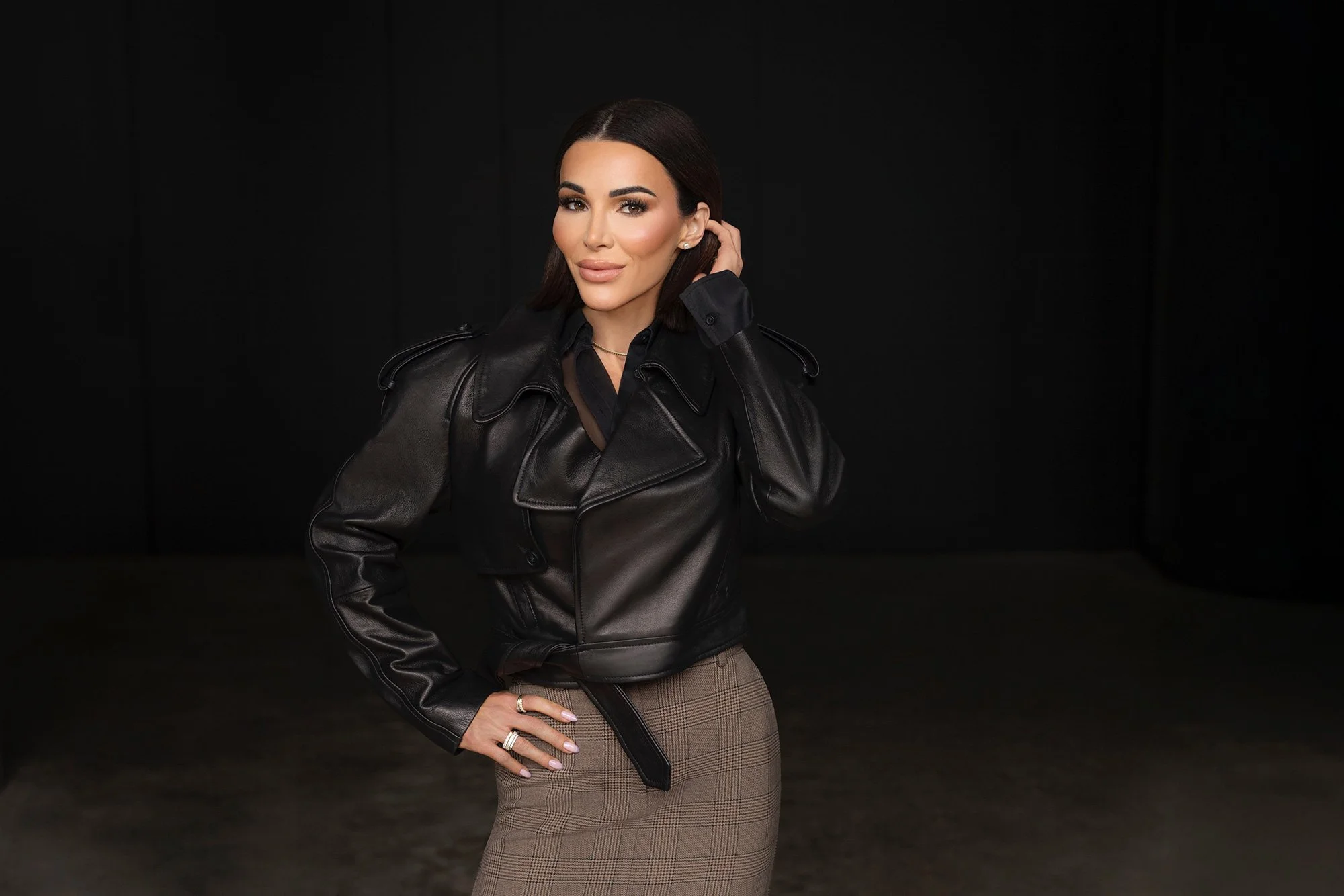
In every city, behind every successful building, and inside every memorable workspace, there is a story. Some stories speak in steel beams, some in glass, some in color palettes and lighting that wrap people in a certain feeling the moment they step inside. But there’s a new kind of story rising in the world of commercial interior design—one shaped by intuition, empathy, and nuance. One driven by the feminine intelligence behind how people move, react, gather, collaborate, and ultimately belong.
This is the feminine edge of real estate and strategy.
And it’s reshaping how spaces perform.
As a female-led company in an industry historically dominated by masculine models of efficiency, speed, and scale, we’ve learned that the most impactful design doesn’t start with the blueprint. It starts with the human blueprint—the psychological and emotional drivers that influence behavior, productivity, spending, and culture.
Today, commercial spaces must do more than function.
They must communicate.
They must invite.
They must inspire.
And above all, they must connect with the people they’re built for.
That’s where feminine-driven strategy enters the narrative.
A Market Hungry for Meaningful Spaces
Walk through any modern office or retail environment and you’ll see a shift: hospitality-inspired workspaces, softer palettes, intimate environments, warm materials, intentional lighting, sensory-aware details. This isn’t simply aesthetic preference—it’s a response to a marketplace craving spaces that feel human in a world that feels increasingly disconnected.
People want meaning.
Employees want purpose.
Tenants want a sense of identity.
Clients want experiences worth remembering.
And statistically, women drive those expectations.
Women influence 80–90% of consumer decisions, lead the majority of brand-experience roles within companies, and are increasingly shaping the commercial real estate economy—whether as founders, developers, or decision makers.
Meaning: understanding the feminine lens isn’t a niche approach.
It’s a strategic advantage.
The Feminine Edge: A Way of Seeing Strategy Differently
When we talk about the “feminine edge,” we’re not talking about gender as a biological construct. We’re talking about a strategic mindset—one rooted in the strengths historically undervalued in real estate and design:
1. Empathy as a Design Tool
Empathy tells us not only how people use a space, but why they choose that space over another. It reveals motives, fears, desires, and hidden friction points.
Effective commercial design isn’t about filling square footage—it’s about reducing emotional and psychological resistance.
2. Intuition as Pattern Recognition
Intuition has long been mislabeled as “soft.” But in reality, it’s fast-track pattern recognition: absorbing hundreds of subtle cues about user behavior, market trends, cultural shifts, and emotional triggers—and converting them into strategy long before the data catches up.
3. Collaboration Over Hierarchy
Feminine-centric leadership invites cross-functional input early, which reduces rework, shortens timelines, and improves holistic outcomes.
Spaces born from collaboration don’t just look better—they perform better.
4. Narrative Design
Women instinctively understand the importance of story.
A commercial space with no narrative becomes a commodity.
A space with a story becomes a brand.
Narrative isn’t interior decoration—it’s a proven psychological tool that shapes user memory, trust, and loyalty.
5. The Multi-Layered Strategy Mindset
Female leaders are often praised for “juggling” many things at once—but in design and real estate, this becomes a superpower.
A feminine approach sees the micro and macro simultaneously:
the tenant experience and the investor return
the lighting temperature and the brand positioning
the flow of a lobby and the emotional state of a visitor walking through it
the aesthetics and the ROI metrics that matter
This is where feminine strategy outperforms traditional linear planning.
Why the Future of Commercial Real Estate Needs Feminine Leadership
Real estate is undergoing a cultural—and financial—shift.
Hybrid work, changing tenant expectations, wellness-driven environments, and experiential retail have altered the design landscape forever.
Spaces must now earn attention.
The feminine-led approach excels here because it addresses long-term behavioral patterns, not just short-term occupancy goals.
• It understands emotional economics
People don’t pay premiums for features—they pay for feelings: safety, belonging, inspiration, status, trust.
We design with emotional economics baked into every decision.
• It anticipates human behavior
How will people navigate the space?
What makes them pause?
What encourages collaboration?
What increases dwell time?
What builds brand affinity?
These questions are not afterthoughts—they’re the foundation.
• It elevates user well-being
From biophilic design to neuroaesthetic principles, feminine-led design prioritizes the mental and physiological state of the end user—something the market increasingly demands.
• It aligns design with culture and identity
Companies want spaces that feel authentic, inclusive, and energized.
Female-led firms often excel in capturing the intangible elements that give a space personality—a brand heartbeat.
• It humanizes profitability
We believe financial performance and human experience are not competing priorities.
They are directly correlated.
A space that makes people feel good is a space that performs well.
It retains employees.
It attracts tenants.
It drives traffic.
It increases perceived value.
This is ROI through emotional strategy—and feminine leadership is fluent in that language.
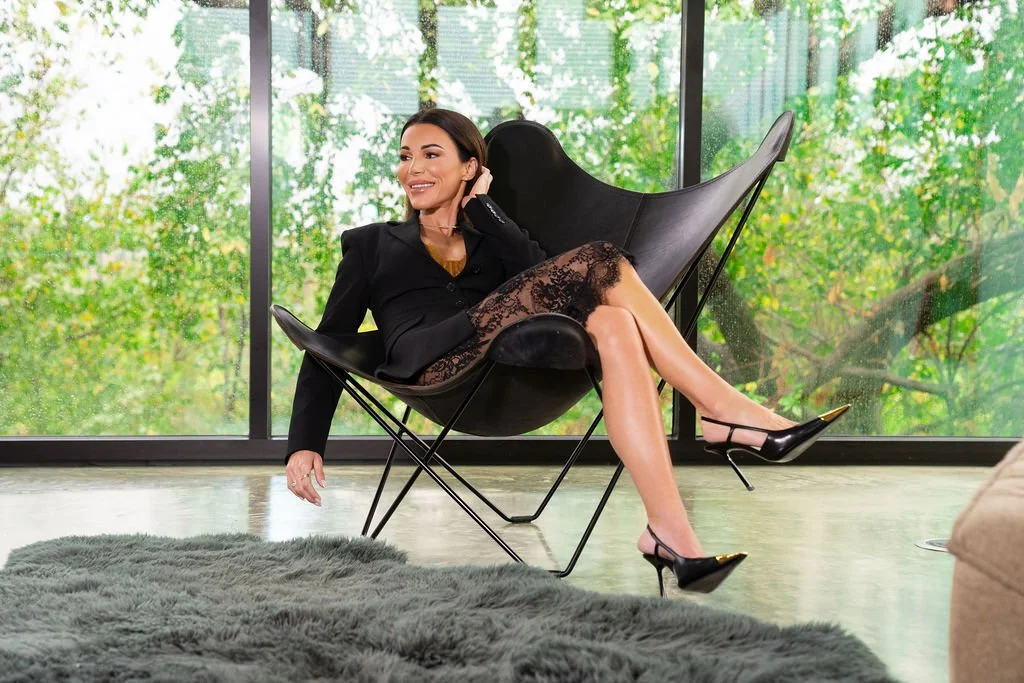
How Feminine Intelligence Shapes Our Commercial Design Process
At the core of our company is a simple belief: design is a form of communication.
Every material, every line, every contrast, every form sends a message.
A successful space tells the right story to the right people at the right time.
Here’s how we build that story:
1. Deep Discovery: Understanding the Human Blueprint
Before pencil meets paper, we study:
user psychology
brand positioning
operational flow
emotional triggers
sensory touchpoints
cultural values
unconscious patterns
friction points in the existing environment
Where masculine frameworks ask, “What are the requirements?”
The feminine approach asks, “Who is this space becoming, and who must it serve?”
2. Sensory Anchoring
We design holistically:
light that sets mood and biological rhythm
materials that ground or energize
color psychology that influences behavior
circulation that reduces stress
soundscapes that support focus or connection
scent design that anchors memory
These details are subtle, but their impact is profound—and deeply psychological.
3. Strategic Aesthetics
Aesthetics are not decoration. They’re strategic assets.
Every visual choice influences:
perceived professionalism
brand equity
consumer trust
emotional state
decision making patterns
social media shareability
retention and return rates
Beauty is functional.
Beauty is strategic.
Beauty is a business driver.
4. Narrative Integration
We weave the client’s brand story through the space in ways visitors feel before they consciously notice:
signature materials
storytelling walls
experiential moments
visual identity cues
localized details
cultural symbolism
This is where design becomes identity—and identity becomes ROI.
5. Gender-Balanced Spatial Intelligence
We integrate the best of both worlds:
feminine intuition and empathy
masculine structure and efficiency
This balance is what creates spaces that feel grounded, bold, functional, and emotionally resonant.
Why Clients Seek Out Female-Led Commercial Design Firms
Because the market is evolving, and decision makers are noticing:
• Female-led firms listen differently.
We don’t design what we think you want—we design what your people need.
• We translate abstract goals into tangible environments.
Culture → layout.
Values → materials.
Identity → form.
Strategy → sequence of experience.
• We see context and nuance.
The details others overlook become the differentiators we elevate.
• We excel in environments that require emotional intelligence.
Workplaces in transition.
Developments needing a story.
Retail spaces needing experiential pull.
Brands seeking embodiment.
Teams needing cohesion.
• We design for the long-term human impact.
We ask: How will this space shape behavior over time?
This is where our clients see measurable returns—in retention, engagement, perception, and performance.
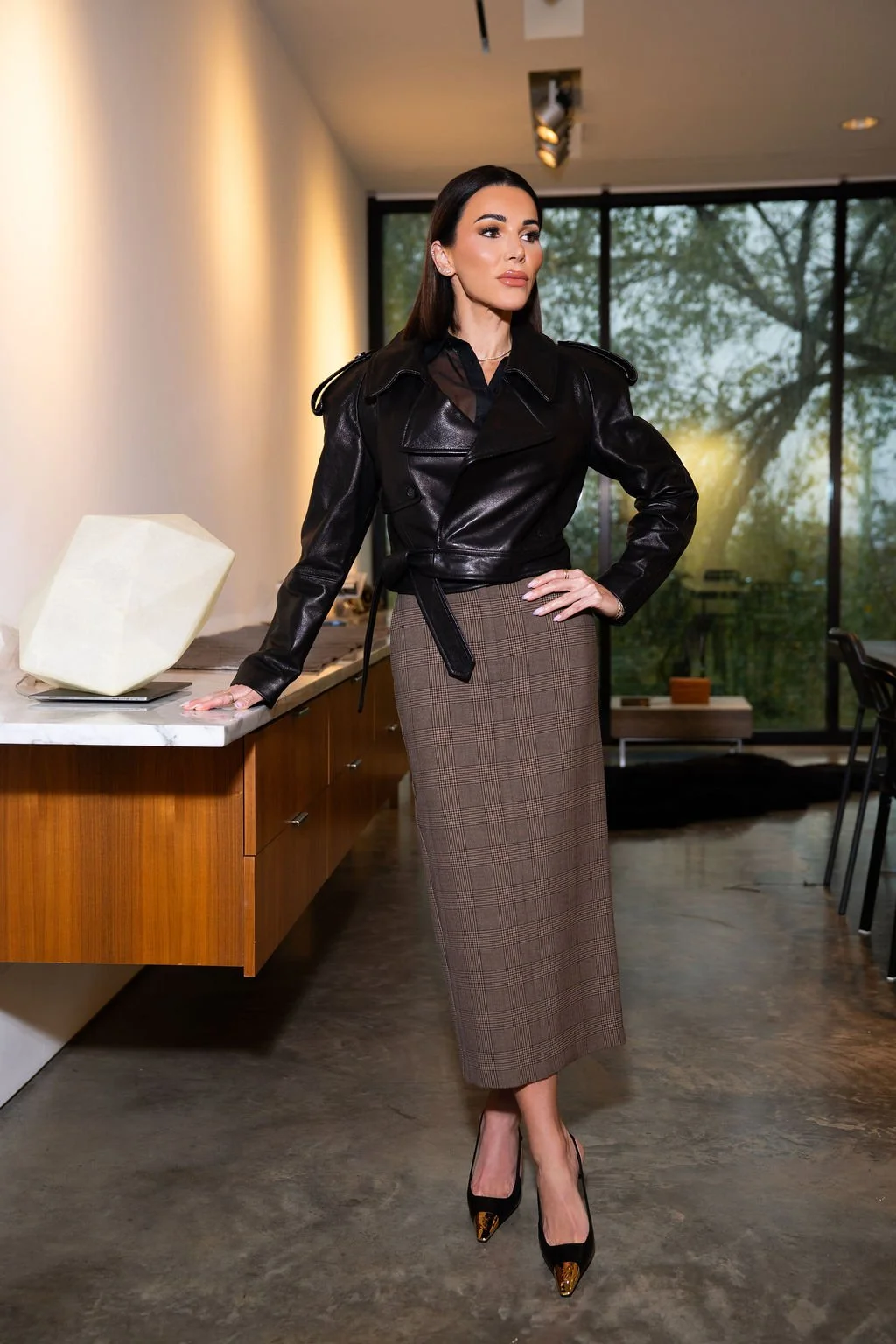
We are entering a new era.
One where commercial design is no longer a technical process—it’s a human experience strategy.
Female leaders are uniquely positioned to guide this shift because we understand, intuitively and strategically, the interplay between:
space and emotion
aesthetics and function
story and behavior
culture and design
people and profitability
The market is no longer looking for spaces that simply work.
It’s looking for spaces that move people.
Spaces that feel like more than square footage.
Spaces that operate as catalysts for inspiration, performance, and belonging.
This is the feminine edge.
And it’s not a trend—it’s the future.
If You’re Looking for a Commercial Space With Soul, Substance, and Strategy—You’re in the Right Place
As a female-led commercial interior design firm, we bring a rare combination of:
narrative design
strategic thinking
behavioral psychology
feminine intelligence
ROI-driven execution
and hospitality-influenced experience
Our spaces tell stories.
Our spaces elevate brands.
Our spaces move people—and that movement creates measurable value.
If you’re ready to create a commercial environment that blends strategy and soul…
If you want a space that performs on paper and resonates in person…
If you want a design partner who sees the things others miss…