
The Art of the Whisper: Why Quiet Luxury is the Definitive Future of Hospitality Design
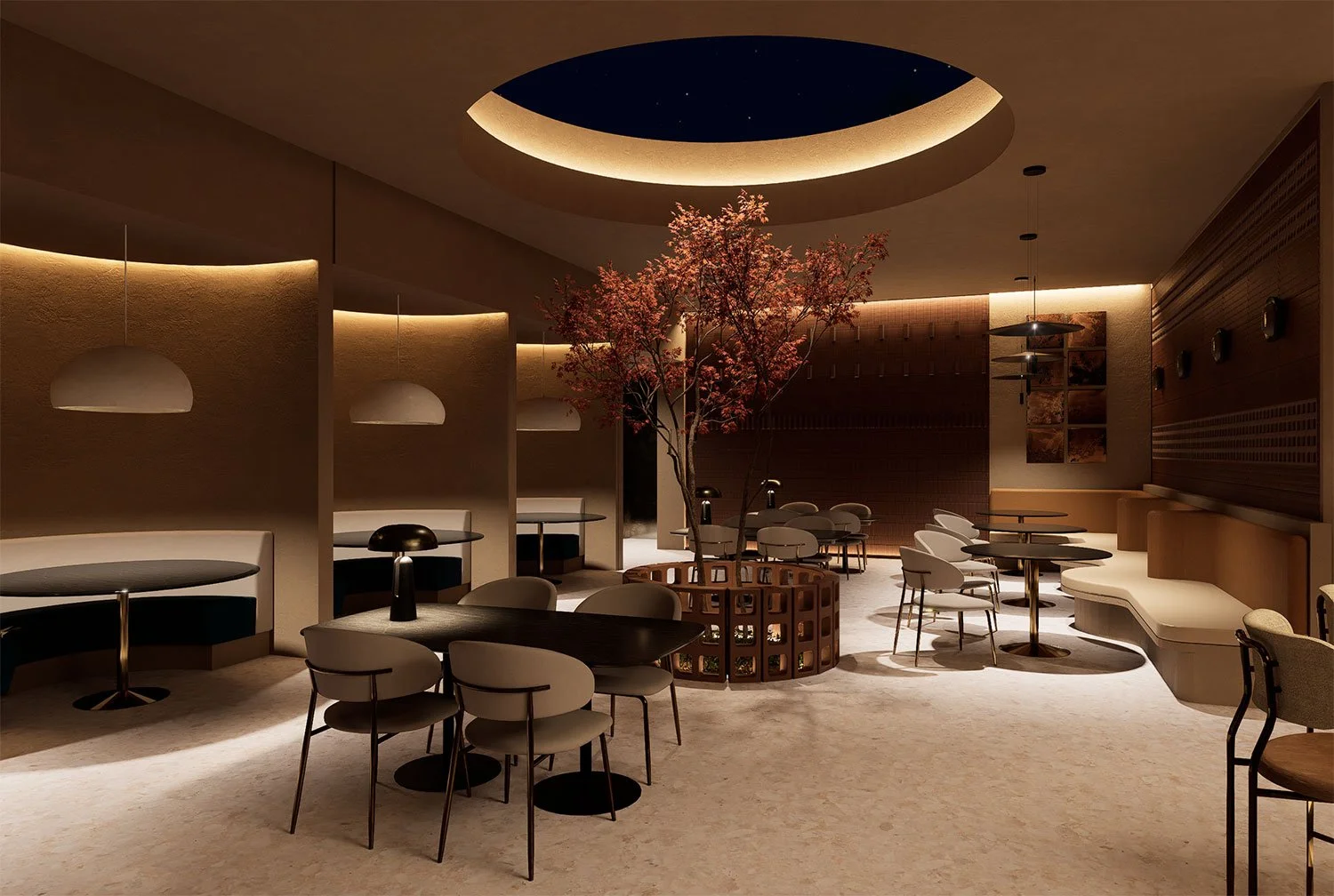
In the golden age of travel, luxury was a spectacle. It was defined by the "more is more" philosophy—soaring gold-leaf ceilings, grand crystal chandeliers, and lobbies designed to intimidate rather than invite. But the world has changed. In 2026, the global traveler is no longer seeking a performance; they are seeking a sanctuary.
At Maybeck Design, we have watched the industry pivot from the "Loud Luxury" of the 2010s toward a more profound, grounded reality. We call it the "Art of the Whisper." It is the realization that true status is no longer found in what you can show off, but in how deeply you can rest.
The Psychology of Restraint
Why is Quiet Luxury dominating the commercial interior design space? The answer lies in our collective overstimulation. We live in a world of constant notifications, blue-light saturation, and architectural clutter. When a guest walks into a Maybeck-designed hotel, their nervous system should register an immediate shift.
Quiet Luxury isn't about the absence of wealth; it’s about the presence of peace. It is a design language that speaks through soft curves, matte finishes, and the heavy, comforting weight of a hand-woven textile. It is a refusal to compete for the guest's attention, offering instead a canvas upon which they can project their own relaxation.
The Three Pillars of the Maybeck Design Philosophy
To execute Quiet Luxury effectively, one must look past the mood board and into the structural DNA of a building. We focus on three specific pillars that ensure a project feels timeless rather than trendy.
1. Material Integrity: The Beauty of the Real
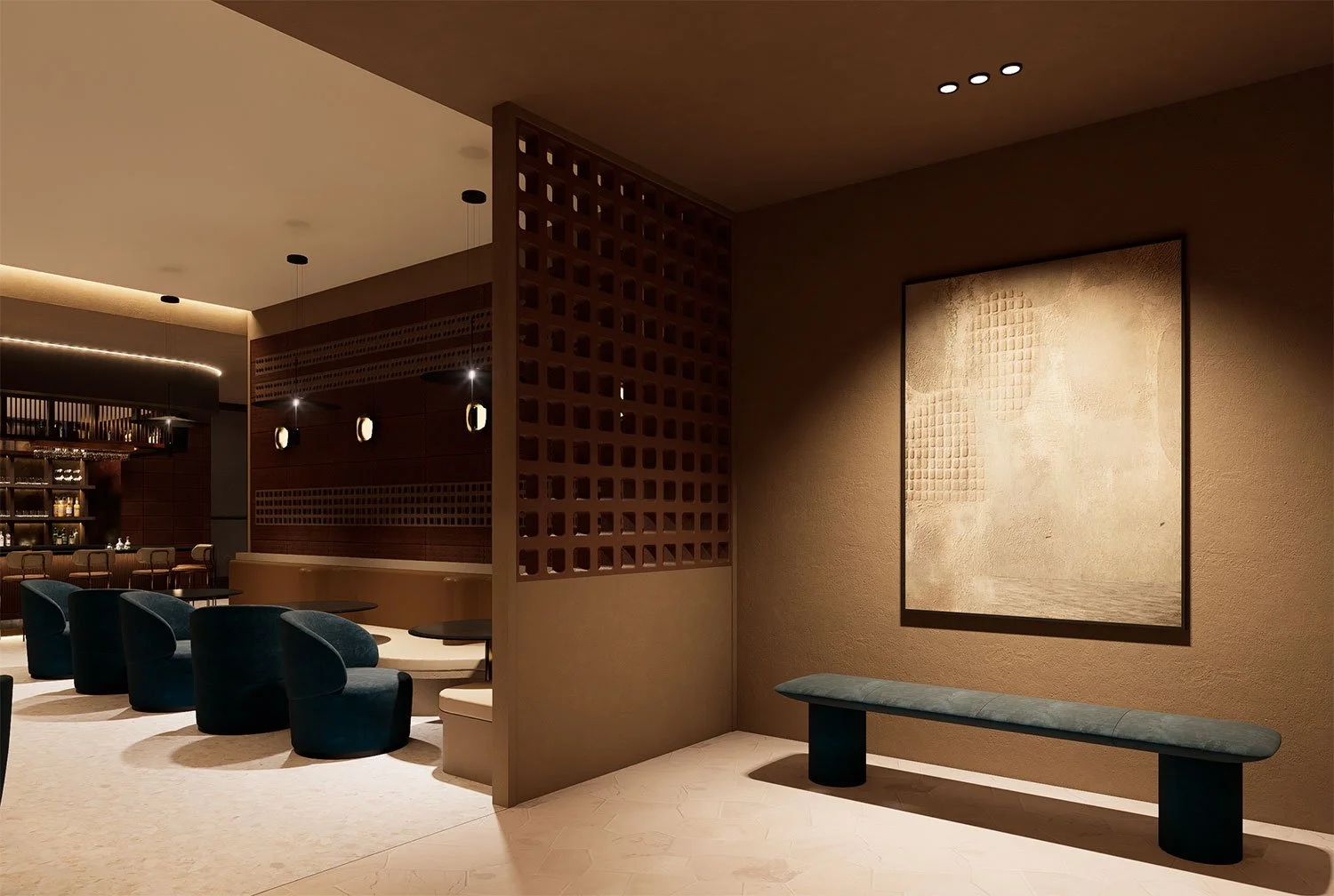
In many modern developments, "luxury" is often faked with laminates that look like wood or tiles that mimic stone. At Maybeck Design, we reject the imitation. Quiet Luxury demands authenticity because the human body can subconsciously tell the difference.
Honest Stone: We utilize honed travertine and limestone. These materials are cool to the touch and possess a soft, light-diffusing quality that polished marble cannot replicate.
Living Woods: We favor oils over polyurethanes. A brushed oak floor that develops a slight patina over time tells a story of durability and grace.
The Power of Weight: There is an inherent luxury in the weight of a solid brass handle or a thick linen curtain. These tactile "touchpoints" are where the guest interacts with the brand. If it feels substantial, the brand feels trustworthy.
2. The Architecture of Silence (Acoustics & Air)
A space can look beautiful, but if it sounds hollow, the luxury is lost. One of the most overlooked aspects of hospitality design is the "invisible architecture."
Softened Geometry: We move away from the sharp, echoing angles of brutalist-inspired design, opting for radius corners and organic shapes that naturally break up sound waves.
Integrated Softness: We embed acoustic solutions into the design itself—seamless acoustic plaster ceilings that look like traditional drywall but absorb the chatter of a busy bar, and heavy-gauge wallcoverings that turn a suite into a soundproof cocoon.
Air as an Amenity: Quiet luxury is also about what you don't smell or feel. Discrete, high-filtration HVAC systems that operate without a hum and provide mountain-air quality are the ultimate "hidden" luxury of 2026.
3. The Curation of the "Unseen"
True sophistication is found in the details that a guest might not even consciously notice but would certainly miss if they were gone. This is the Maybeck "Invisible Hand" approach.
Circadian Lighting: We design lighting schemes that track with the human body’s internal clock. As evening approaches, the blue light fades, and warm, low-level amber tones take over, signaling the brain to produce melatonin.
Frictionless Layouts: A guest should never have to search for a light switch or wonder how to operate a shower. We design for intuition. If a guest has to think about how to use the room, we have failed.
The Economics of Quiet Luxury: Why Restraint is a Smart Business Move
From a developer's perspective, Quiet Luxury isn't just an aesthetic choice—it’s a high-yield investment strategy.
Longevity vs. The Trend Cycle
"Loud" design dates quickly. A hotel designed around a specific "color of the year" or a trendy geometric pattern will likely require a soft-goods renovation within five years to stay relevant. Quiet Luxury, however, relies on a neutral, earth-centric palette and high-quality materials that age beautifully. This extends the life-cycle of the interior, significantly increasing the Return on Investment (ROI).
Attracting the High-Yield Guest
The modern "affluent" demographic has shifted toward Conspicuous Conservation. They value wellness, privacy, and sustainability. By aligning a hotel’s design with these values, owners can command a higher Average Daily Rate (ADR). People will pay a premium for a guaranteed good night’s sleep and a space that feels like a private residence rather than a commercial institution.
FAQ: Quiet Luxury in Commercial Architecture
Q: What is the primary difference between Minimalism and Quiet Luxury?
A: Minimalism is often about the absence of things, which can sometimes feel cold or clinical. Quiet Luxury is about the presence of high-quality, soulful items. It is warmer, more textured, and more focused on comfort than minimalism. At Maybeck Design, we don't just clear a room; we curate it.
Q: How does Quiet Luxury support sustainability in hospitality?
A: Quiet Luxury is inherently sustainable because it favors natural, long-lasting materials over disposables. By choosing stone, wood, and metal that can be refinished rather than replaced, we reduce landfill waste. Furthermore, the "timeless" nature of the design prevents the need for frequent, resource-heavy renovations.
Q: Is Quiet Luxury only applicable to boutique hotels?
A: Not at all. While it started in the boutique sector, large-scale luxury brands are now adopting these principles to create a more personalized experience. Even in a 500-room property, Maybeck Design uses spatial "zoning" to create intimate pockets of quiet luxury that make a large hotel feel private and bespoke.
Q: Does "Restraint" mean the design is boring?
A: Quite the opposite. Restraint allows the quality of the craftsmanship to shine. When you aren't distracted by bright colors or flashy patterns, you notice the incredible grain of a walnut wall panel or the way the sunlight hits a hand-plastered curve. It is a more sophisticated, "intellectual" form of beauty.
Q: How does Maybeck Design integrate technology into Quiet Luxury?
A: We believe tech should be "invisible." We integrate smart-room controls into tactile interfaces—like stone-carved buttons or hidden sensors—so the guest gets the benefit of modern convenience without the clutter of screens and glowing LEDs.
Final Thoughts: The New Standard
As we look toward the future of hospitality, the brands that win will be the ones that respect the guest’s need for silence. At Maybeck Design, we are proud to be at the forefront of this movement, creating spaces that don't just look like luxury—they feel like home.
True luxury doesn't need to shout to be heard. It just needs to be felt.