
The CapEx Trap: How to Prevent Budget Overruns in Commercial Interior Architecture
When developers, asset managers, and commercial business owners hesitate to engage an interior architecture firm, the reason is rarely aesthetic. It is financial.
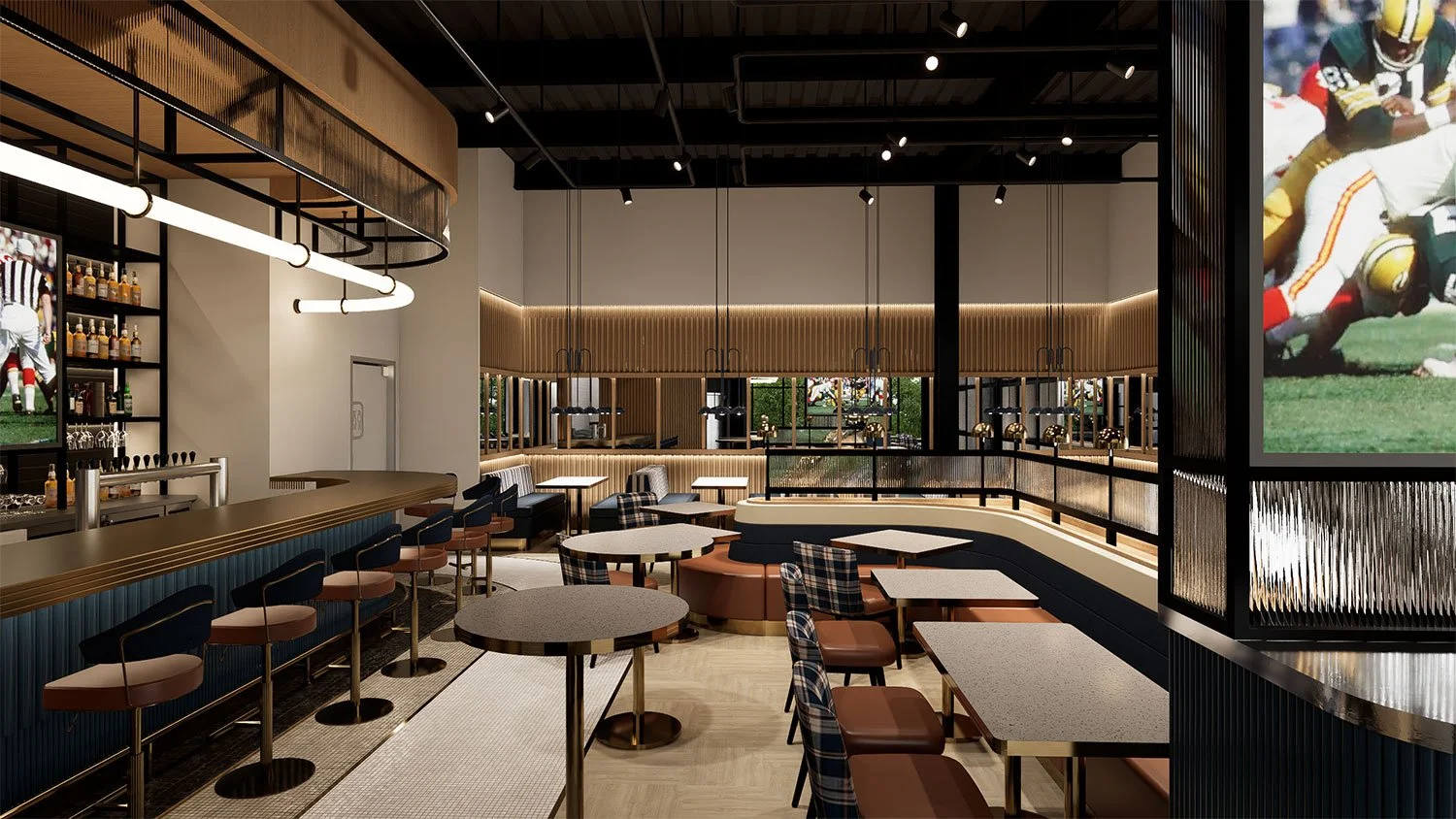
The single greatest fear commercial clients harbor isn't that a space won't look good—it is that the design vision will turn into a financial black hole. Everyone in commercial real estate has a horror story about a project where artistic concept renderings looked stunning, only to prove unbuildable within budget, resulting in massive change orders, delayed lease-ups, and blown CapEx targets.
At Maybeck Design, we believe that great design that violates financial reality is simply bad architecture.
Bridging the gap between creative vision and constructability requires treating interior architecture as a financial strategy—aligning spatial concepts with real-world material lead times, contractor pricing, and long-term yield performance from day one.
The Root Cause of Commercial Design Budget Overruns
Budget overruns and scope creep do not happen by accident. They are almost always the result of three systemic failures in the traditional design process:
1. Designing in a Vacuum (The "Pretty Rendering" Trap)
Traditional design firms often develop detailed schematic concepts before consulting general contractors or structural engineers. When cost estimators finally evaluate the drawings during the late bidding phase, the owner is forced into a painful choice: accept astronomical budget overruns or undergo delayed, destructive "value engineering" that strips the project of its quality.
2. Disconnect Between Material Specification and Supply Chains
Specifying rare, long-lead materials or non-standard assemblies without verifying regional availability creates catastrophic schedule drag. In commercial real estate, time is carrying cost. A three-month material delay on custom fixtures directly translates to lost leasing revenue.
3. Vague Construction Documentation
When architectural drawings lack rigorous detailing for mechanical, electrical, and custom millwork integration, contractors are forced to make assumptions during bidding. Once construction begins, those gaps in documentation inevitably turn into costly change orders.

“Value engineering shouldn't mean stripping a building of its soul at the eleventh hour. True cost control happens during schematics—where every line drawn carries a verified financial outcome.”
— Danielle Harbeck, Founder & Principal Strategist
How Maybeck Design Protects Your Capital
We approach commercial interior architecture with an executive, peer-to-peer mindset. Here is how we ensure your design vision executes on time and on budget:
Integrated Cost Modeling from Day One: We price design concepts against real-world trade costs during early schematics, ensuring that what you see in concept presentations is exactly what gets built within your CapEx parameters.
Commercial-Grade Material Sourcing: We specify durable, high-impact materials with verified lead times. By prioritizing domestic sourcing and proven commercial assemblies, we mitigate supply chain volatility.
Bespoke Millwork Efficiency: Custom millwork is often the highest-ticket item in a commercial build-out. We detail millwork assemblies for efficient fabrication, minimizing job-site labor hours while maintaining a high-end, tailored look.
Frictionless Contractor Coordination: We speak the language of builders, developers, and trade contractors. Our clear, highly detailed construction sets reduce contractor questions and eliminate costly field modifications.
Design for Precision. Build for Yield.
Hiring an interior architecture firm should be an investment that protects your capital, accelerates your time-to-market, and elevates your asset's NOI—not an unpredictable financial gamble.
Ready for a design partner who respects your pro forma as much as your aesthetic vision? Partner with Maybeck Design on your next commercial asset.
FAQ: Commercial Interior Architecture Costs
1. What is the biggest fear commercial developers have when hiring an interior design firm?
The primary concern is scope creep and budget overruns—specifically, receiving beautiful design concepts that prove unbuildable within the project's CapEx budget, leading to expensive change orders and delayed lease-up timelines.
2. How do you prevent value engineering from ruining a commercial interior project?
Prevent destructive late-stage "value engineering" by involving general contractors and cost estimators early during schematic design. Pricing material selections and custom assemblies in real time ensures the design stays within budget before construction drawings are finalized.
3. Why do change orders happen during commercial interior construction?
Change orders usually occur due to vague or incomplete architectural construction documentation. When drawings lack precise detailing for electrical routing, mechanical integration, or custom millwork, contractors must adjust pricing mid-construction.
4. How does material selection impact commercial project timelines?
Specifying custom, hard-to-source, or long-lead materials without verifying regional supply chains can cause construction halts. Delays in material delivery increase project carrying costs and postpone leasing revenue.
5. How does Maybeck Design align interior architecture with developer pro formas?
We establish hard financial parameters before designing, specify commercial-grade materials with verified lead times, detail custom millwork for efficient shop fabrication, and produce hyper-precise construction sets that eliminate contractor guesswork.