
7 Costly Mistakes Developers Make During Commercial Buildouts (And How Interior Designers Prevent Them)
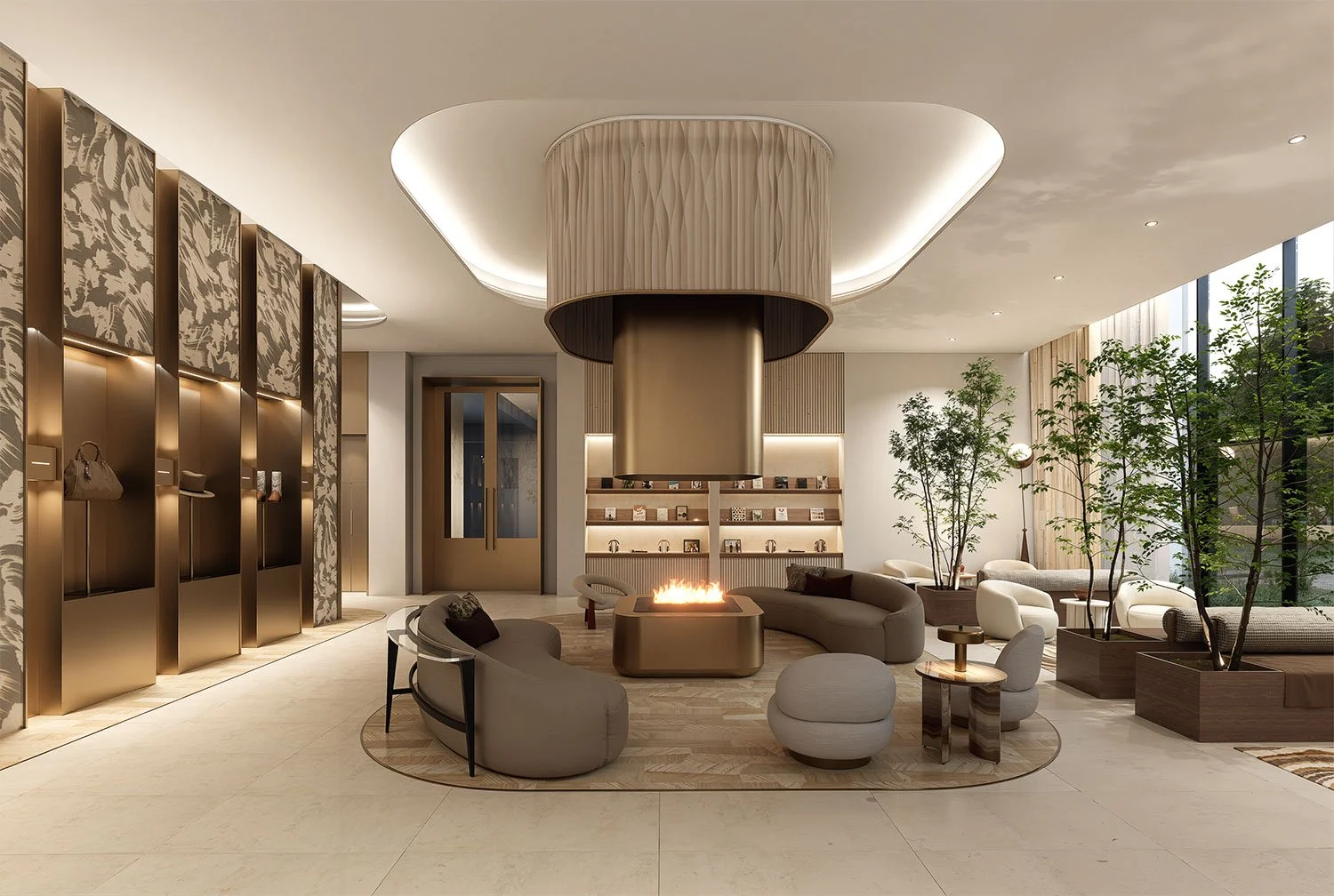
Commercial construction projects involve enormous investments, tight timelines, and high expectations. Yet many developments still run into the same issues: budget overruns, construction delays, inefficient layouts, and spaces that simply don’t perform the way they should.
For real estate developers, business owners, and property investors, these mistakes don’t just affect the construction process — they directly impact revenue, tenant satisfaction, and long-term property value.
One of the most overlooked ways to prevent these problems is involving a commercial interior design firm early in the development process.
Professional interior designers do far more than select finishes and furniture. They help shape how a space functions, how people interact with it, and how efficiently the project moves from concept to completion.
Below are seven of the most common mistakes developers make during commercial buildouts — and how strategic interior design can prevent them.
1. Waiting Too Long to Bring in an Interior Designer
One of the biggest mistakes developers make is waiting until the architectural plans are finalized before bringing in an interior designer.
By that point, many key decisions have already been made, including layout, spatial planning, and circulation patterns.
When interior designers are involved early, they can collaborate with architects and engineers to ensure that the space functions properly from the beginning.
Early design integration helps:
Optimize layouts for tenant needs
Prevent costly redesigns later in the project
Improve coordination between disciplines
Reduce change orders during construction
For large commercial developments, this collaboration can save significant time and money.
2. Poor Space Planning
A visually appealing space means little if it doesn’t function efficiently.
Poor space planning can lead to:
Congested traffic flow
Underutilized square footage
Inefficient workspaces
Reduced customer comfort in retail or hospitality environments
Commercial interior designers analyze how people will use a space and design layouts that maximize efficiency and usability.
For example:
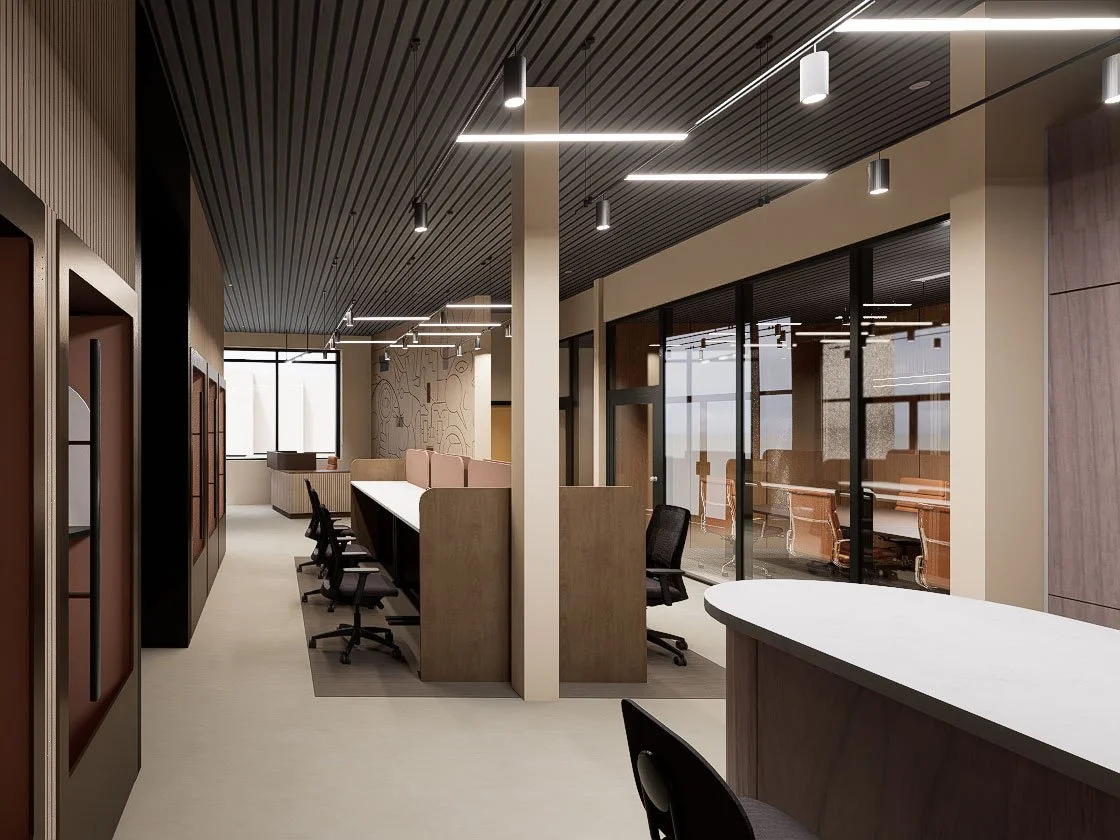
Office environments require careful planning for collaboration, privacy, and productivity.
Retail stores depend on circulation patterns that guide customers through the space.
Restaurants must balance kitchen workflow, seating capacity, and guest experience.
Thoughtful planning ensures that every square foot contributes to the success of the business operating inside the space.
3. Overlooking the End User Experience
Developers sometimes focus heavily on construction logistics but underestimate how design influences the experience of employees, customers, and tenants.
Yet user experience plays a major role in the long-term success of a property.
Well-designed spaces can:
Improve employee productivity in office environments
Encourage longer customer dwell time in retail
Enhance brand perception
Increase tenant satisfaction
Commercial interior designers consider lighting, acoustics, ergonomics, and spatial psychology to create environments that support both functionality and comfort.
4. Choosing Materials Based Only on Price
Budget constraints are always part of commercial construction, but selecting materials based solely on cost often leads to problems later.
Low-quality finishes can result in:
Increased maintenance
Faster wear and tear
Higher replacement costs
Negative impressions from tenants and customers
Interior designers help developers balance durability, aesthetics, and cost efficiency by selecting materials suited for high-traffic commercial environments.
Strategic material selection can significantly reduce lifecycle costs while maintaining a professional appearance.
5. Ignoring Brand and Market Positioning
Commercial spaces should reflect the identity and positioning of the businesses that occupy them.
A generic interior may technically function, but it won’t help tenants differentiate themselves in competitive markets.
Design can reinforce brand identity through:
spatial layout
material selection
lighting design
color strategy
environmental graphics
When design aligns with brand positioning, it creates memorable environments that strengthen customer engagement.
6. Underestimating the Impact of Lighting
Lighting is one of the most powerful elements in commercial environments, yet it’s often treated as a purely technical decision.
Effective lighting design influences:
employee productivity
customer mood and behavior
perceived quality of a space
energy efficiency
Interior designers coordinate lighting with architecture, materials, and spatial layout to create balanced, comfortable environments that enhance both functionality and atmosphere.
7. Failing to Design for Future Flexibility
Business needs change quickly. Offices expand, retailers evolve, and tenant requirements shift.
Spaces that are too rigid can become outdated within just a few years.
Forward-thinking interior design incorporates flexibility through:
modular furniture systems
adaptable layouts
multi-purpose areas
scalable infrastructure
This approach helps properties remain relevant and attractive to tenants over time.
Why Commercial Interior Design Is a Strategic Investment
Commercial interior design is often perceived as an aesthetic service, but in reality it plays a strategic role in the success of development projects.
A well-designed commercial environment can:
Improve operational efficiency
Enhance user experience
Increase tenant retention
Support business performance
Strengthen property value
By integrating design early in the development process, developers and business owners can avoid costly mistakes while creating spaces that truly perform.
Conclusion
Commercial buildouts are complex projects that involve many moving parts. Without careful planning and coordination, small design decisions can lead to expensive problems later.
Working with an experienced commercial interior design firm helps ensure that spaces are not only visually compelling but also highly functional, efficient, and aligned with business goals.
For developers and business owners alike, strategic design is one of the most powerful tools for creating environments that attract tenants, support operations, and maximize long-term value.
About Our Commercial Interior Design Firm
Our firm specializes in designing high-performance environments for commercial clients, including office spaces, retail environments, hospitality venues, and mixed-use developments.
By combining strategic planning with thoughtful design, we help developers and business owners create spaces that support operational efficiency, enhance user experience, and maximize long-term value.
Frequently Asked Questions
-
A commercial interior designer should ideally be involved during the early planning stages of a development project. Early collaboration with architects and engineers helps optimize space planning, reduce change orders, and streamline the construction process.
-
Commercial interior designers develop space plans, select materials and finishes, coordinate lighting and furniture layouts, and ensure that the environment supports both operational efficiency and user experience.
-
Yes. Well-designed commercial spaces attract higher-quality tenants, improve user satisfaction, and enhance the overall perception of the property, which can increase long-term asset value.
-
Office design can influence productivity through lighting quality, acoustics, ergonomic furniture, and spatial layout. Thoughtfully designed workplaces support collaboration while also providing areas for focused work.
Planning a Commercial Buildout?
Whether you’re developing a new property or renovating an existing space, strategic interior design can help you avoid costly mistakes and create environments that perform.
If you're planning a commercial project, our team would be happy to discuss how design can support your development goals.
Contact us to learn more about our commercial interior design services.