
The Future Of Commercial Spaces: 2026’s Most Influential Interior Design Trends
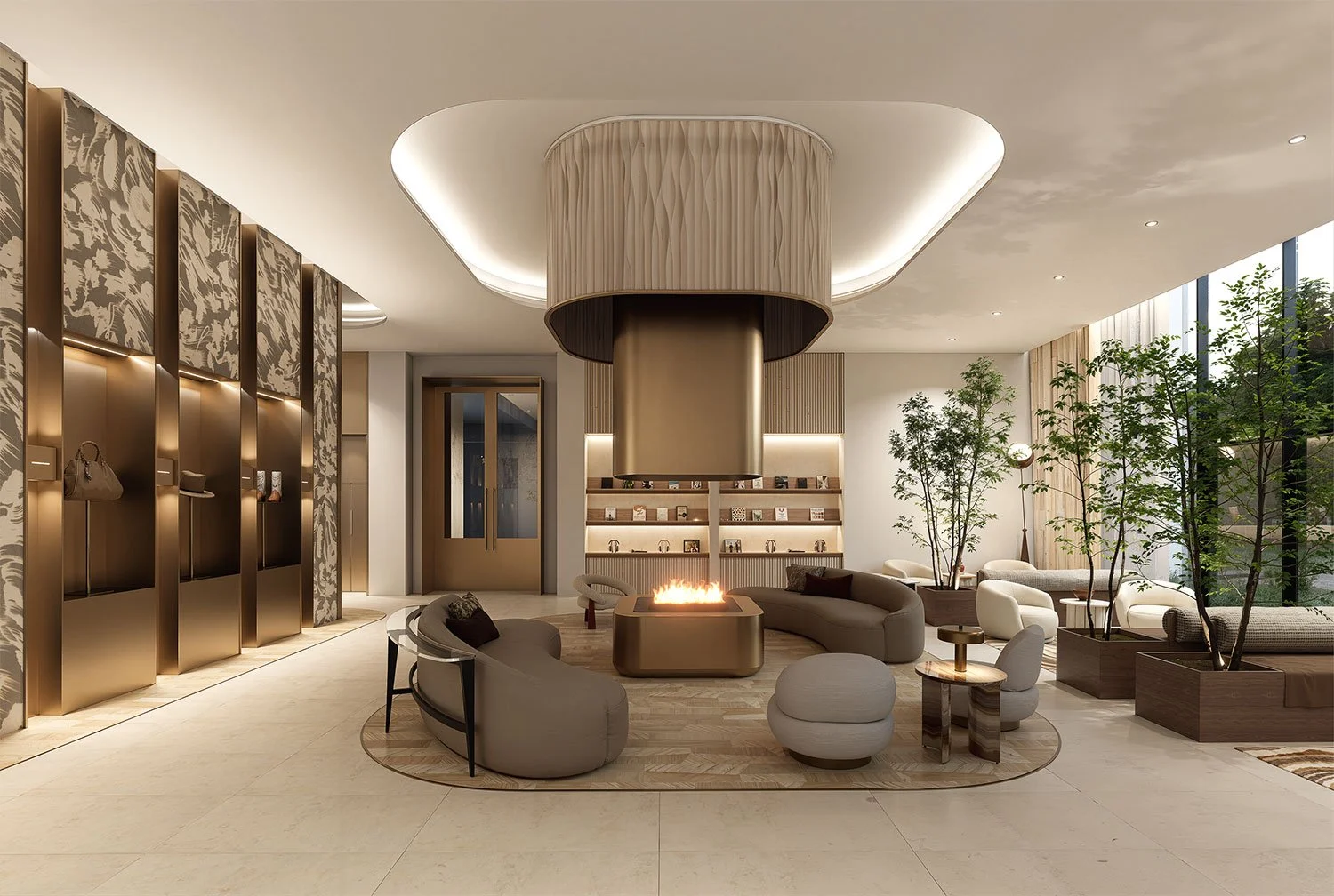
Commercial interior design is entering a new era — one defined by fluid movement, well-being, sensory engagement, and a deep respect for how people actually use space. No longer focused solely on aesthetics, today’s commercial environments serve as extensions of brand identity, productivity tools, and even wellness ecosystems. In 2026 and beyond, successful design blends creativity with psychology, technology with comfort, and sustainability with experience.
Whether you're refreshing a retail store, reimagining an office, upgrading a hospitality environment, or building a new commercial space from the ground up, understanding these shifts will help you create spaces that feel relevant, thoughtful, and future-ready.
In this detailed guide, we explore the most transformative commercial interior design trends shaping the next generation of workplaces, retail destinations, and public environments — and how to bring them to life with clarity and purpose.
1. Adaptive Spaces Designed for Movement, Not Permanence
The days of single-purpose rooms are rapidly fading. Today’s commercial interiors thrive on adaptive functionality — spaces that morph based on changing needs throughout the day or even hour.
Why Adaptability Is Now Essential
Traditional layouts were built around predictable routines. But modern organizations and customers move differently:
Teams collaborate spontaneously.
Employees shift between deep focus, virtual calls, and group work.
Retail environments need to accommodate events, product launches, or community gatherings.
Hospitality spaces must transition from business-friendly to social-centric within hours.
A static room cannot support a dynamic culture. That’s why future-focused design emphasizes fluid, modular, reconfigurable layouts.
How to Apply This Trend
Introduce multi-purpose furniture: tables on casters, stackable seating, foldable partitions.
Create zones instead of fixed rooms — think collaboration bays, phone booths, social nooks.
Use lighting controls to shift the mood of a space instantly.
Incorporate mobile technology stations that support both in-person and virtual work.
A flexible environment empowers businesses to respond quickly to growth, new workflows, or seasonal needs without costly renovations.
2. Spaces That Tell a Brand Story
A strong brand identity is no longer confined to logos or marketing campaigns — it lives inside the physical environment. The most compelling commercial interiors communicate brand personality through layered storytelling, subtle cues, and sensory experiences.
How Brand Storytelling Works in Design
A brand-aligned space can:
Evoke emotion.
Improve customer loyalty.
Reinforce company values.
Build trust through coherence and consistency.
Today’s best commercial interiors translate brand identity into:
Signature color accents or custom finishes.
Architectural lines or shapes inspired by the brand’s visual language.
Art installations that express culture or mission.
Material choices that reflect brand personality (e.g., earthy for sustainability-focused brands, polished surfaces for tech-driven companies).
Simple Ways to Strengthen Brand Experience
Incorporate curated gallery walls with photography, milestones, or mission-driven statements.
Use lighting to highlight brand colors during events or retail drops.
Add textures that reinforce brand energy — soft and warm, bold and industrial, refined and minimalist.
Spaces become powerful ambassadors when they reflect the values of the people who use them.
3. Nature-Forward Design That Supports Human Well-Being
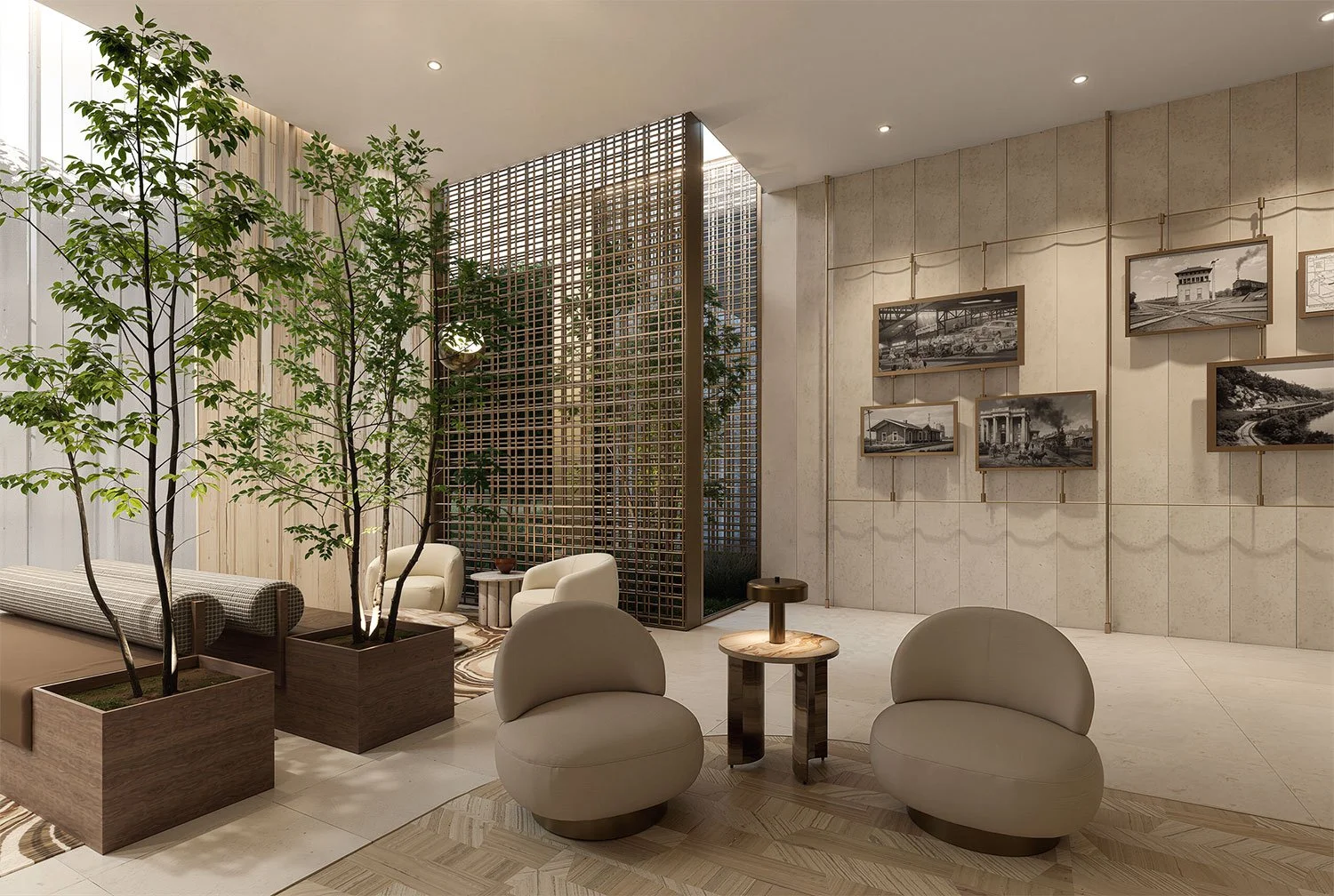
Biophilic and nature-inspired design continues to dominate commercial projects, but in 2025, the trend has matured into something deeper and more immersive. It’s not merely about adding greenery; it’s about crafting environments that replicate the calming effect of natural ecosystems.
What Nature-Forward Design Looks Like Now
Living plant installations and vertical gardens.
Large windows or glass partitions that increase daylight exposure.
Organic shapes and natural patterns inspired by rivers, waves, or landscapes.
Material palettes centered on wood, stone, clay, and warm textiles.
Water-inspired features that promote calm and create ambient sound.
Why It Matters
Nature-connected spaces:
Reduce stress and cognitive fatigue.
Improve indoor air quality.
Boost creativity and focus.
Encourage a sense of grounding in high-activity environments.
This trend integrates beauty with biology — creating commercial interiors that feel healthier and more human.
4. Wellness-Driven Interiors That Prioritize the Whole Person
Wellness is no longer a luxury — it’s a foundational design element. Today’s commercial environments strive to nurture the mental, physical, and emotional health of occupants.
Modern Wellness Design Strategies
Ergonomic seating and height-adjustable desks.
Quiet zones for decompression or meditation.
Circadian lighting that shifts color temperature through the day.
Air purification systems and improved ventilation.
Sound-controlled areas that reduce noise fatigue.
Hydration stations, greenery clusters, and sensory-friendly zones.
Beyond Physical Health: Emotional Wellness
Commercial spaces now incorporate elements that support mood and mental clarity:
Softer light diffusion for calmer environments.
Gentle color palettes that encourage relaxation.
Textures that create comfort and warmth.
Layouts that reduce visual clutter and stress.
Emotionally supportive spaces create a sense of belonging — a powerful competitive advantage for any business.
5. Human-Centered Technology Integration
Technology has become an essential part of commercial interiors, but the goal is shifting from innovation for innovation’s sake to technology that makes environments easier and more intuitive to use.
Examples of Human-Centered Tech
Touchless doors, faucets, and check-in systems.
Smart climate and lighting controls that adjust to real-time needs.
Room-booking tools that show occupancy in live time.
Digital walls that shift for events, collaboration, or retail displays.
Hidden sensors that manage air quality and temperature without visible hardware.
Designing with Tech, Not Around It
Instead of dominating a room, technology is becoming invisible:
Hardware is integrated into millwork, ceilings, or custom cabinetry.
Wires and controls are concealed.
Screens blend into the design unless actively used.
Tech-integrated spaces feel seamless, modern, and effortless.
6. Sustainable Practices Become the Standard, Not a Trend
Sustainability has evolved far beyond eco-friendly materials. It now influences the full life cycle of a commercial interior — from sourcing and construction to maintenance and future adaptability.
Foundational Sustainable Design Approaches
Recycled, reclaimed, or rapidly renewable materials.
Low-emission paints, adhesives, and fabrics.
Durability-focused furniture that reduces replacement waste.
Energy-efficient lighting and temperature systems.
Modular components that can be reused or reconfigured rather than discarded.
The Long-Term Advantages
Lower operating costs.
Higher indoor environmental quality.
Stronger alignment with environmental regulations.
Positive impact on brand reputation.
Sustainable design isn’t just ethical — it’s smart business strategy.
7. Sensory-Rich Environments That Deepen Engagement
Every commercial space makes an impression — whether intentionally or not. Sensory-driven design ensures the experience is positive, memorable, and aligned with the purpose of the space.
Key Sensory Elements Designers Are Prioritizing
Color: Bold hues for energy, neutrals for calm, gradients for flow.
Texture: Combinations of smooth, soft, coarse, or patterned surfaces.
Sound: Acoustic solutions that manage noise without sacrificing openness.
Scent: Subtle aromatic cues used in hospitality and retail.
Lighting: Layered illumination that creates dimension and atmosphere.
When senses are engaged purposefully, commercial spaces become immersive rather than transactional.
8. Acoustic Comfort as a Core Design Principle
Noise management is now one of the most important components of commercial design — especially in open workplaces, restaurants, education facilities, and hospitality venues.
Modern Acoustic Solutions
Sculptural ceiling baffles that double as visual features.
Upholstered partitions or acoustic screens.
Sound-absorbing paint, textiles, or wall surfaces.
Flooring materials selected for quiet interaction.
Zoned layouts that separate active and quiet areas.
A space that sounds comfortable feels more usable, peaceful, and refined.
9. Hospitality-Infused Commercial Spaces
From offices to medical clinics, more commercial environments are borrowing the warmth, comfort, and service-driven mindset of hospitality design.
How Hospitality Influences Modern Interiors
Softer lighting that creates warmth rather than glare.
Lounge-style seating clusters rather than stiff waiting areas.
Warmer color palettes, layered textiles, and sculptural decor.
Curated experiences — from artwork to music to scent.
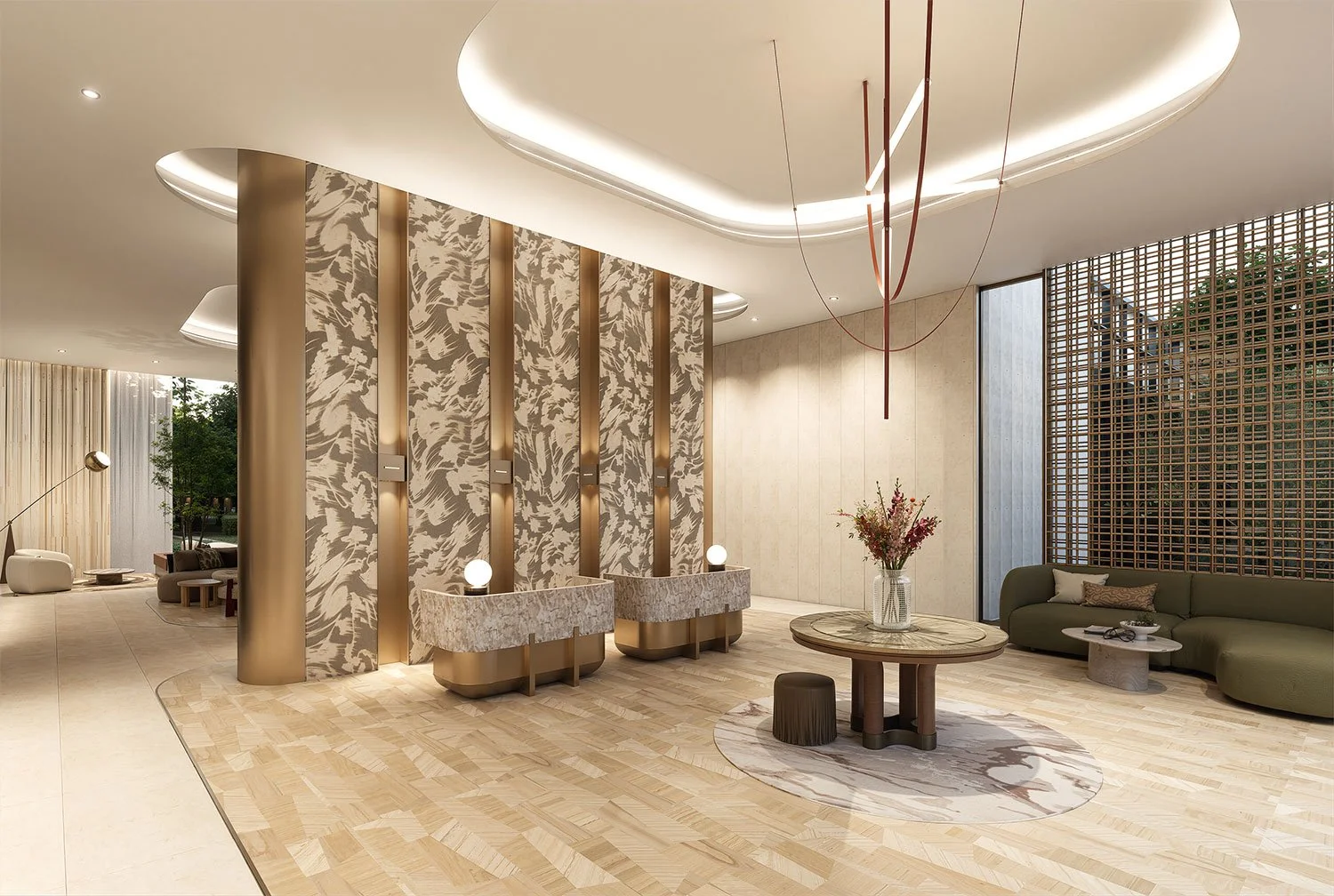
Thoughtfully designed welcome areas that make a strong first impression.
This trend recognizes that people perform, collaborate, and engage better when they feel relaxed and valued.
10. A Practical Roadmap for Applying These Trends
Knowing the trends is one thing — applying them effectively is the real task. Here’s a step-by-step approach to transforming your commercial interior strategy.
Step 1 — Start With Purpose
Identify:
Who the space serves
What daily activities occur
Where the biggest frustrations currently are
Purpose drives every design decision that comes next.
Step 2 — Prioritize Flexibility and Wellness
Before choosing materials or decor, establish how your space will support:
Movement
Collaboration
Quiet focus
Mental well-being
Future growth
Step 3 — Build a Cohesive Brand Experience
Let your brand guide:
Color palettes
Materials
Architectural details
Art and messaging
A cohesive environment increases trust and emotional connection.
Step 4 — Integrate Technology Thoughtfully
Ensure every tech addition:
Supports comfort
Reduces friction
Blends visually into the environment
Step 5 — Choose Sustainable, High-Quality Materials
Focus on materials that:
Last
Age gracefully
Improve air quality
Reduce waste
Step 6 — Test, Measure, Adjust
Real feedback reveals what works. Use post-occupancy evaluations or customer feedback to refine the design over time.
Conclusion: Commercial Design Is Becoming More Human, More Adaptive, and More Experiential
The commercial design trends shaping 2026 and beyond are united by a single theme: human experience comes first. Successful commercial interiors now strive to be flexible, wellness-centered, sensory-rich, technologically supportive, and environmentally responsible.
From adaptive layouts and brand-driven storytelling to wellness strategies and nature-forward design, this year’s trends aren’t just shifts in style — they’re reflections of how people want to work, shop, gather, and thrive.
By embracing these ideas, businesses can create commercial spaces that feel timeless, intentional, and deeply connected to the people who use them.